Safe at‑home workouts and modifications
How to lose weight without a gym is a question many ask—it’s absolutely possible to shed pounds and improve your health from your living room, without expensive equipment or a gym membership. With just simple modifications and some planning, you can start seeing real results regardless of your fitness level.
Disclosure: This article contains affiliate links. We may earn a commission at no extra cost to you.
At-home workouts offer a flexible, accessible way to stay active and support weight loss—no membership required. The key to getting started safely? A solid warm-up. Spend about five minutes easing into movement to increase blood flow, loosen up your joints, and reduce the risk of injury.
Try a simple routine: gentle marching in place, arm circles, dynamic side lunges, torso twists, and ankle rolls. Aim for roughly 60 seconds on each, moving gradually and letting your body warm up rather than pushing hard right away Source: CDC.
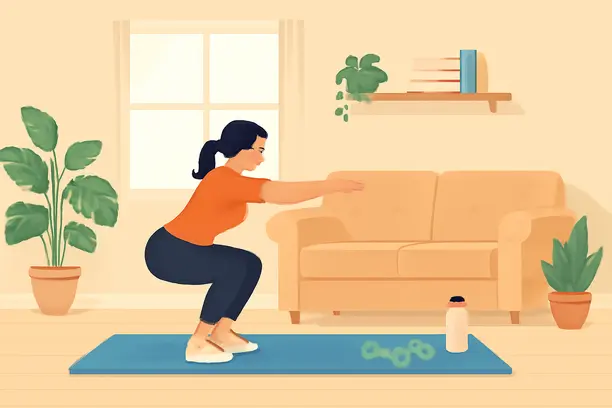
Once you’re warmed up, focus on bodyweight exercises you can adapt to your own ability level and any physical limitations. Here are some key moves to build around:
- Squats: If you’re new to squats or have knee sensitivities, start with chair-assisted box squats. As you get stronger, progress to standard bodyweight squats, and eventually add jump squats for more intensity. Skip the jumps if you have recent knee or hip pain, osteoporosis, or balance concerns. Stop right away if you feel sharp joint pain.
- Push-Ups: Standard push-ups too challenging? Begin with incline push-ups against a kitchen counter or sturdy table. Gradually lower the angle as you build strength. Avoid full push-ups if you’ve got shoulder injuries, and stop if you notice arm tingling or weakness.
- Burpees: Lower the impact by stepping back instead of jumping. If you’ve dealt with lower back problems or heart conditions, swap burpees for calf raises or slow, supported squats. Watch out for dizziness, chest pain, or balance issues—stop immediately if any of these show up.
- Planks: Beginners can ease in with planks on the knees or against a wall. Once your core feels stronger, move to forearm planks on the floor. If you’re managing severe lower back pain, avoid planks altogether. Discontinue if you feel sharp pain or discomfort radiating down your legs.
Here’s the rule: always start with the safest, easiest version of a movement. Only progress when your form stays solid throughout the entire set.
Safety also means setting up your space thoughtfully. Clear your workout area, wear supportive shoes (or go barefoot on a stable mat), and pay attention to what your body’s telling you Source: Verywell Fit.
If you notice moderate warning signs—like faintness or ongoing headaches after exercise—pause and consult a healthcare professional as needed.
After each session, take 2–3 minutes to cool down. Gentle marching, soft stretching of major muscle groups, and controlled deep breathing help your body recover and keep soreness at bay Source: Mayo Clinic.
If you’re managing specific conditions—heart disease, chronic pain, pregnancy—always check in with your healthcare provider before starting or ramping up your home program. For beginner-friendly workout plans or lower-impact alternatives tailored to joint sensitivity, visit our beginner guide and low-impact exercise options.
Nutrition strategies you can use without gym access
Even without gym access, what you eat plays a pivotal role in weight loss and overall health. The goal? Prioritize meals rich in protein and fiber to keep you full, preserve muscle, and help manage calorie intake naturally.
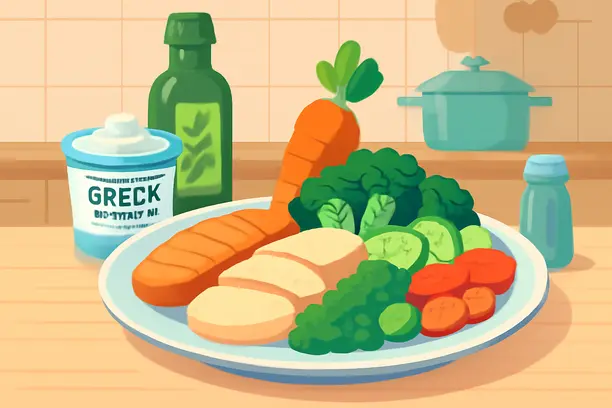
Build your plate around lean proteins—think eggs, Greek yogurt, legumes, tofu, chicken, or fish—alongside high-fiber vegetables and whole fruits. This combo helps stabilize blood sugar and curb cravings Source: CDC.
Don’t forget healthy fats like olive oil, nuts, or avocado. They add flavor and fullness without piling on unnecessary calories.
Here are two simple, no-tracking meal patterns that provide roughly 1,500–2,200 calories daily:
- Pattern 1 (1,500–1,700 cal):
- Breakfast: Greek yogurt with berries and nuts
- Lunch: Large salad with grilled chicken, olive oil, chickpeas, quinoa
- Dinner: Salmon, sautéed vegetables, brown rice
- Snacks: Apple, carrot sticks, hummus
- Pattern 2 (2,000–2,200 cal):
- Breakfast: Oats with milk, nuts, banana
- Lunch: Whole grain wrap with turkey, spinach, avocado
- Dinner: Stir-fried tofu, mixed veggies, soba noodles
- Snacks: Cottage cheese, berries, air-popped popcorn
Feel free to adjust these patterns for plant-based diets or personal preferences. They’re meant as flexible templates, not rigid rules.
Want to cut back on added sugar? Swap sweetened coffee syrups with cinnamon or vanilla. Replace sodas and juices with sparkling water or unsweetened herbal teas. Choose fruit with nut butter or high-protein bars instead of candies or baked goods.
These small changes can reduce calorie intake and help retrain your taste buds over time—without feeling like you’re giving up everything you enjoy.
If you’re managing conditions like diabetes, kidney disease, pregnancy, or medications that affect metabolism, consult a healthcare provider or registered dietitian before making major dietary changes. Personalized advice ensures both safety and effectiveness.
For tailored guidance and Mediterranean-inspired meal plans that work beautifully without gym workouts, consider exploring our Mediterranean Diet 30-Day Challenge.
Remember, sustainable weight loss comes from consistent, realistic habits—not perfect diets or deprivation. This balanced nutritional approach equips you to eat smarter and feel better, even at home.
Try a Mediterranean meal plan for simple, satisfying weight loss at home
Setting realistic goals, mental health, and safe pacing
Here’s the thing: obsessing over the scale rarely leads to lasting change. Instead, focus on building sustainable habits you can actually stick with.
Target concrete daily actions—like walking 7,000 steps, cooking at home multiple times per week, or drinking water before meals. Tracking these behaviors instead of just weight creates momentum and builds self-confidence, which are essential for long-term progress.
Small, manageable habit changes—meal prepping, mindful eating, adding more plant-based foods—can help you maintain weight loss well beyond those initial efforts See healthy meal tips.
Protecting your mental health is crucial for sustainable weight loss outside the gym. Feeling overwhelmed? It’s normal! Try these motivation-boosting strategies:
- Set small, measurable goals (like three bodyweight workouts per week)
- Celebrate every win—even if it’s just skipping an extra snack
- Practice self-compassion on days you fall short
- Connect with supportive friends or online fitness communities
Find yourself struggling to stay consistent? You’re not alone. Explore tips for workout motivation for realistic ways to recharge your routine—no gym required.
Pacing yourself is key. Trying to overhaul everything at once usually leads to burnout or injury. Start with 2–3 short at-home workouts a week, then add more activity as your stamina and confidence grow.
And remember, rest days matter for your body and mind. Incorporate light walks, stretching, or meditation on your off-days to stay recharged and avoid overuse injuries.
If you’re feeling stuck or unsure where to go next, consider reviewing our favorite healthy meals or ways to boost motivation for additional ideas.
Join our at-home program for fresh motivation and simple routines
Building a supportive environment outside the gym
Making changes is easier when your space, family, and routine set you up for success—no gym required. Start by organizing your living area so it feels inviting for a quick workout. Keep a yoga mat, resistance band, or water bottle handy to reduce “activation energy.”
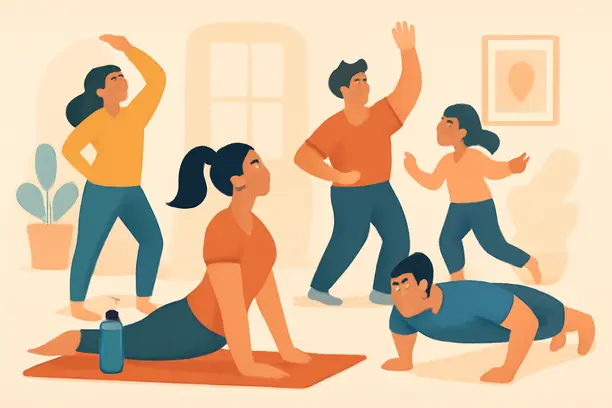
Ask your household to join you for brief activity breaks, evening walks, or new recipe nights. This transforms exercise and meal prep into shared activities, which boosts accountability and fun.
- Set a visible goal chart or habit tracker—on paper or an app—to help chart your progress.
- Schedule active “dates” or social time that keeps you moving (think home dance parties or YouTube follow-along workouts).
- Limit high-calorie snacks in plain sight; stock fruits, chopped veggies, or air-popped popcorn at arm’s reach.
- Reward yourself with non-food treats—like new workout clothes or a movie night—when you hit a milestone.
Be sure to celebrate small victories! Every healthy decision, no matter how minor, is movement in the right direction.
Need inspiration for simple meals or extra activity ideas that support weight loss at home? Check out our curated list of favorite healthy dishes and easy workout routines.
Get easy meal plans and movement guides delivered to your inbox
Mini-FAQ: Top questions about losing weight without a gym
Can I really lose weight at home without any equipment?
Yes—you can absolutely lose weight at home without equipment. Bodyweight moves like squats, lunges, planks, and creative cardio (marching, jumping jacks) can increase your calorie burn and build strength. Consistency and nutrition matter more than the tools you use.
How fast will I see results if I skip the gym?
Results depend on your consistency, diet, and current fitness level. Many people notice improvements in energy and mood within two weeks, while scale changes often appear within four to eight weeks of sticking to regular exercise and mindful eating.
Are at-home workouts safe for beginners or people with joint pain?
Absolutely—start with slow, low-impact options and modify exercises as needed. Always pay attention to pain signals and prioritize good form over speed or intensity. Consulting a healthcare provider can help tailor your plan for safety if you have chronic conditions or previous injuries.