

When menopause belly isn’t just menopause: red flags & when to see a clinician
Lose menopause belly concerns you, but distinguishing typical menopause changes from dangerous symptoms is critical—knowing when to seek medical advice ensures your safety and maximizes successful belly fat loss.
Disclosure: This article contains affiliate links. We may earn a commission at no extra cost to you.
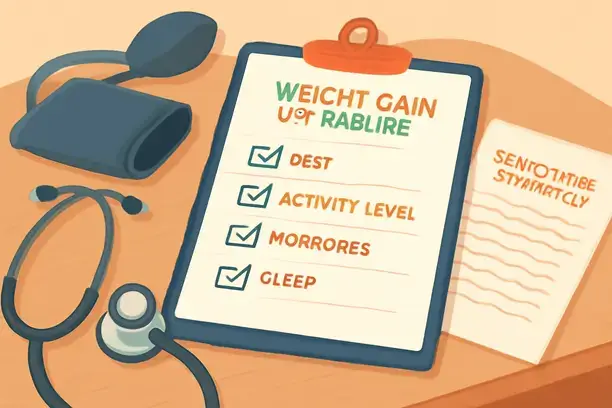
Red Flags: When Weight Gain Isn’t Just Menopause Belly
Some belly fat during midlife is normal. But certain warning signs suggest something beyond typical menopausal changes is going on:
- Rapid, unexplained weight gain: Gaining several pounds within weeks or months without changes in diet or activity.
- Persistent swelling: Especially in legs, ankles, or lower belly that doesn’t improve with rest or elevation.
- Ongoing bloating or abdominal tightness: That feels uncomfortable or firm to the touch.
- New or worsening shortness of breath: Not related to exercise or allergies.
- Unusual body changes: Such as purple or wide stretch marks, a round or “moon” face, unexpected hair loss or growth, or bruising easily.
These symptoms can indicate serious conditions like heart failure, liver disease, Cushing’s syndrome, or ovarian cancer. If you’re experiencing persistent leg swelling or breathlessness alongside abdominal changes, seek medical attention right away Source: American Cancer Society.
Checklist: What Your Clinician Should Assess
When you visit your healthcare provider about belly fat concerns, make sure they review:
- Current medications: Some drugs (steroids, antidepressants, antipsychotics, diabetes medications, certain blood pressure meds) can trigger weight gain or fluid retention Source: National Institute of Diabetes and Digestive and Kidney Diseases.
- Medical and family history: Including heart, liver, kidney, thyroid, or adrenal conditions and metabolic diseases.
- Symptom review: Any pain, abnormal bleeding, GI issues, fatigue, or mental health changes—even subtle ones—can help with diagnosis.
- Physical exam: Blood pressure, swelling check, skin changes, and abdominal organ evaluation.
- Baseline lab tests: Such as blood sugar, liver/kidney function, thyroid hormones, and pregnancy test if applicable.
If you notice these red flags or just feel “off,” don’t delay getting medical advice. Addressing underlying causes before pursuing weight loss prevents frustration and leads to safer, more effective care.
Common Medications Linked to Weight and Belly Changes
Several prescriptions can trigger fluid retention or shifts in body composition. Watch out for recent use or dosage changes of:
- Corticosteroids: Prednisone, dexamethasone—often cause moon face, belly fat, muscle loss, and skin changes.
- Antipsychotics: Such as olanzapine and quetiapine.
- Certain antidepressants and mood stabilizers: Including mirtazapine, lithium, older SSRIs.
- Insulin and some diabetes medications.
- Beta-blockers and specific heart medications in some cases.
Never stop or adjust medications on your own, but do discuss weight or swelling changes with your provider promptly Source: Centers for Disease Control and Prevention.
When to See Your Doctor—Don’t Just Blame Hormones
While menopause belly is common, rapid or dramatic weight changes combined with other symptoms need professional assessment. A thorough evaluation ensures your treatment plan is safe and addresses any underlying disease.
For evidence-based lifestyle strategies, check out our guide on the Mediterranean diet for menopause weight loss.
Once you’ve been cleared of medical issues, structured meal plans can help you overcome plateaus or cravings. Programs like the Rapid Soup Diet 14-Day System offer simple, calorie-conscious approaches—especially helpful if counting calories feels overwhelming.
Remember, erring on the side of caution protects your health. Early clinical input paves the way for confident, targeted efforts to manage belly fat.
For fast, flavorful fat-burning recipes and possibly a flatter belly in two weeks, check the 14-Day Rapid Soup Detox digital program.
GLP-1s and semaglutide: indications, side effects, and monitoring in midlife
GLP-1 receptor agonists like semaglutide (brands Ozempic, Wegovy) were originally developed for type 2 diabetes. Now they’re often used off-label for weight loss—particularly in women struggling with stubborn menopause belly fat.
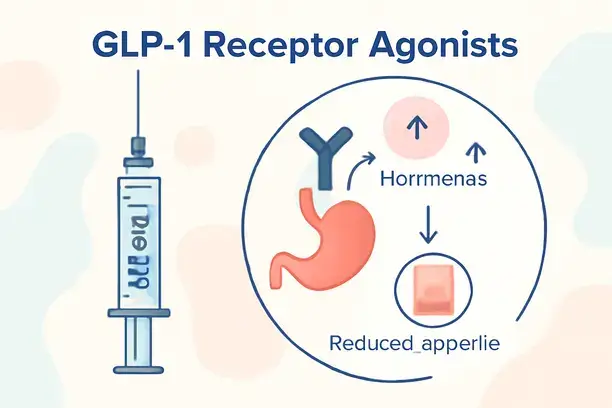
These injectable medications work by mimicking the hormone GLP-1 to reduce appetite, promote fullness, and slow stomach emptying.
They’re a promising option when lifestyle measures alone aren’t cutting it. However, you’ll typically qualify only if you have:
- A body mass index (BMI) of 30 or higher (obesity), or
- A BMI of 27 or higher with at least one weight-related health issue, such as hypertension, prediabetes, type 2 diabetes, or high cholesterol.
Before starting GLP-1 therapy, healthcare providers usually rule out other causes of weight gain like thyroid disorders, medication effects, or sleep apnea Source: Obesity Medical Association.
Expected Results and Realistic Outcomes
When combined with lifestyle changes, semaglutide and similar GLP-1 agonists typically lead to a 10–15% reduction in body weight over several months. Weight loss happens gradually—about 1-2 pounds weekly on average.
Results vary based on age, metabolic factors, and how well you stick to diet and exercise.
These drugs aren’t substitutes for healthy nutrition and physical activity. But they can help you overcome plateaus by curbing appetite and improving satiety.
For complementary meal planning focused on satiety and fat loss, consider the 14-Day Rapid Soup Diet, designed especially for women over 50 facing menopause-related belly challenges.
Side Effects and Risks: What You Need to Know
Common side effects, especially during dose escalation, include:
- Nausea (often temporary)
- Vomiting, diarrhea, constipation, indigestion
- Fatigue or headache (less common)
Serious complications are rare but include acute pancreatitis, gallbladder disease, and potential increased cancer risks for those with certain thyroid cancers or genetic syndromes. Allergic reactions are uncommon but possible Source: Mayo Clinic.
Tell your provider about any history of pancreatitis, thyroid cancer, or gallbladder issues before starting treatment.
Monitoring and Medical Follow-Up
Regular follow-up typically includes monitoring:
- Weight, waist measurement, and progress toward goals
- Blood glucose and HbA1c levels if you’re diabetic or prediabetic
- Kidney/liver function and occasionally pancreatic enzymes
- New or worsening symptoms, especially abdominal complaints or jaundice
Dosing usually starts low and increases gradually to minimize side effects. Never adjust the dose or stop treatment without consulting your provider—abrupt changes may lead to rebound weight gain.
Combining medication with structured meal plans rich in protein and fiber, such as the 14-Day Rapid Soup Detox, can optimize hunger control and outcomes.
Insurance, Access, and Cost Tips
GLP-1 medications can be expensive—sometimes exceeding $1,000 monthly—and insurance coverage varies widely. Prior authorizations and proof of medical necessity based on BMI and comorbidities are often required.
If your claim is denied, you can:
- Appeal with your doctor’s support
- Search for patient assistance or savings programs
- Ask about generic or compounded alternatives
Discuss out-of-pocket costs upfront to avoid surprises. For those seeking drug-free options, menopause-tailored nutrition and lifestyle programs remain key—see our weight loss in menopause guide for more.
Is a GLP-1 Agonist Right for Your Menopause Belly?
GLP-1 therapies can help with losing menopause belly, but they work best as part of a comprehensive strategy that includes diet, physical activity, and stress management.
Discuss your full health history and expectations with your healthcare provider to figure out if these treatments suit your needs.
For a drug-free approach designed especially for women 50+, the Rapid Soup Diet provides practical meal plans emphasizing satiety and simplicity.
Remember, sustained weight loss requires ongoing attention to healthy behaviors—whatever tools you choose.
Hormone therapy (HRT): realistic benefits for belly fat and key risks
What can hormone therapy (HRT) really do for menopause belly fat?
Hormone replacement therapy (HRT) may modestly influence where your body stores fat during menopause—often shifting it away from the abdomen and helping preserve lean muscle mass.
But it doesn’t typically cause significant overall weight loss or serve as a primary treatment for obesity. Starting HRT near the onset of menopause increases your chances of beneficial fat redistribution, but it won’t directly melt stubborn belly fat Source: Mayo Clinic.
You’ll likely see better results by focusing on a tailored diet and consistent physical activity. Our weight loss in menopause guide offers detailed strategies.
Risks and limits: what every HRT candidate must weigh
HRT carries risks that can increase depending on your age, years since menopause, hormone type, and personal health history:
- Blood clots (venous thromboembolism): Risk is elevated especially for women over 60 or starting HRT long after menopause.
- Stroke risk: Higher with oral estrogen compared to transdermal (patch or gel) forms.
- Breast cancer: Long-term combined estrogen-progestin therapy is linked to increased risk after 5+ years Source: American Cancer Society.
Women with obesity, uncontrolled hypertension, history of hormone-sensitive cancers, or clotting disorders usually should avoid HRT NHS: HRT Risks.
If you’re looking for faster belly fat management, diet plans like the 14-Day Rapid Soup Diet can support short-term fat loss—but they’re not substitutes for medical advice or prescription therapies.
Who should consider HRT, and who should avoid it?
- Good candidates: Women within 10 years of menopause onset, with moderate to severe menopausal symptoms, and no high cardiovascular or cancer risks.
- Should avoid or use with caution: Those with hormone-sensitive cancers, unexplained bleeding, blood clots, stroke history, advanced heart or liver disease, or older than about 60 at initiation.
Personalized risk assessment is critical. For non-hormonal alternatives, see our perimenopausal diet options.
What to discuss with your healthcare provider
- Your personal and family history of clots, cancer, heart disease, stroke, or dementia
- Severity of menopausal symptoms and impact on daily life
- Your goals: symptom relief, bone health, realistic outlook on fat loss
- Available HRT types and administration routes (oral, transdermal, vaginal)
- Non-hormonal alternatives and lifestyle modifications
Screening and shared decisions: making HRT safer and patient-centered
Starting HRT typically involves baseline screening: blood pressure, BMI, medical and family history, and possibly mammograms or pelvic exams.
Clinical guidelines emphasize shared decision-making that reflects your personal values alongside medical evidence NICE: Menopause Guideline.
Ongoing follow-up assesses symptom control and risk balance, aiming for the lowest effective dose for the shortest necessary duration.
Consider combining symptom management with a structured eating plan like the 14-Day Rapid Soup Diet for potential appetite control and easier fat loss (with medical clearance).
In sum, HRT offers modest fat redistribution benefits but comes with health risks that require informed, individualized decision-making. A comprehensive approach including diet, exercise, and symptom relief is your best path forward.
Diet with targets and sample day plans for menopausal belly reduction
If stubborn belly fat won’t budge, you’re not alone. The right nutrition—matched to your body and lifestyle—makes all the difference for losing menopause belly without feeling deprived.
A daily calorie deficit of 300–500 calories supports gradual, sustainable fat loss without risking muscle loss or energy crash. Most women over 40 need around 1,500–1,700 calories daily; targeting about 1,200–1,400 calories is generally effective while safeguarding hormonal balance Source: National Institute of Diabetes and Digestive and Kidney Diseases.
Protein intake is crucial for preserving lean muscle. Aim for 1.0–1.2 grams per kilogram of body weight. For example, if you weigh 75 kg (165 lb), target 75–90 grams daily.
Fiber intake of 25–30+ grams per day helps regulate hunger, gut health, and blood sugar Source: Nutrients Journal.
Sample Daily Macros Blueprint
- Total calories: 1,200–1,400
- Protein: 75–90g (1.0–1.2g/kg body weight)
- Fiber: 25–30g+
- Carbohydrates: 100–130g, emphasizing slow-digesting, high-fiber sources
- Fats: 40–50g, focusing on unsaturated fats like olive oil, avocado, and nuts
This framework supports steady fat loss while maintaining energy and muscle mass—key for tackling menopause belly effectively.
Frequently Asked Questions about Losing Menopause Belly
Can you lose menopause belly without exercise?
Yes, it is possible to lose menopause belly through diet alone by maintaining a calorie deficit and focusing on high-protein, high-fiber foods. While exercise accelerates fat loss and supports muscle retention, nutrition remains the most critical factor, especially for women over 40.
How long does it take to see results in menopause belly fat reduction?
Most women notice initial changes in 2–4 weeks with consistent diet changes, but significant reductions in belly fat typically take 2–3 months. Patience is essential, as hormonal shifts can slow progress compared to earlier years.
What are the best foods to help reduce menopause belly?
Foods rich in lean protein (chicken, fish, Greek yogurt), high fiber (vegetables, oats, legumes), and healthy fats (avocado, olive oil, nuts) are best for reducing menopause belly. Limiting refined carbs, sugar, and processed foods further supports fat loss in this stage of life.