
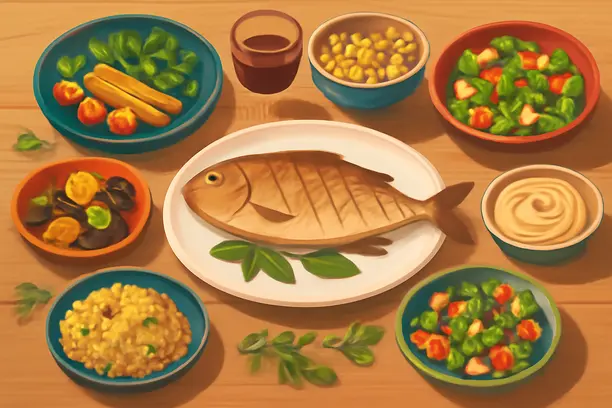
Mediterranean dinner plate: portions, plate composition, and quick rules
Mediterranean diet dinner recipes offer delicious, filling meals that require minimal fuss and keep you satisfied without needing to count every calorie. The Mediterranean approach lets you enjoy plenty of flavor and nutrition, making dinnertimes something to look forward to instead of dread.
Disclosure: This article contains affiliate links. We may earn a commission at no extra cost to you.
The Mediterranean dinner plate isn’t about strict rules or complicated math. It’s a simple visual guide that focuses on balance and variety—no calculator required.
Here’s the framework: half your plate should be filled with non-starchy vegetables, a quarter with lean proteins, and the last quarter with whole grains or starchy vegetables. That’s it.
Start by loading up half your plate with non-starchy vegetables. Think leafy greens, roasted peppers, tomatoes, zucchini, or whatever looks fresh at the market. These give you fiber, volume, and antioxidants—all the things that make a meal actually satisfying.
Next up: a quarter of your plate goes to lean protein. Grilled fish or chicken are traditional favorites, but plant-based proteins like chickpeas, lentils, and white beans work just as well—especially if you’re vegetarian. Beans bring both protein and heart-healthy fiber, which is why they’re so central to the Mediterranean way of eating.
The final quarter is for whole grains or starchy vegetables. Brown rice, farro, bulgur, or roasted sweet potatoes all fit the bill. These carbs give you steady energy and help you stay full longer.
If you’re watching calories or sodium, you can swap out the grains for extra beans or pile on more non-starchy vegetables instead.
- Vegetables (½ plate): Roasted eggplant, mixed greens, artichoke hearts, grilled asparagus
- Lean proteins (¼ plate): Salmon, skinless chicken, white beans, lentils
- Whole grains/starchy vegetables (¼ plate): Quinoa, barley, potatoes, whole-grain pasta
Don’t forget to add a thumb-sized portion of healthy fats. A drizzle of extra virgin olive oil, a tablespoon of olives, or a sprinkle of nuts or seeds will boost flavor and help your body absorb fat-soluble vitamins. Plus, these fats are linked to better heart health Source: Harvard T.H. Chan School of Public Health.
Let’s put this into practice. A typical dinner might look like 4–6 ounces of grilled fish, 1 cup of cooked farro, and 2 cups of leafy salad topped with a light vinaigrette and cherry tomatoes.
If you’re vegetarian, swap the fish for 1 cup of cooked chickpeas and adjust the fats for a lighter overall plate.
Keep in mind that portion sizes can shift depending on how active you are and what your body needs. If you’re managing a condition like diabetes or kidney issues, it’s worth checking in with a registered dietitian for personalized guidance. The Mediterranean diet is flexible, but it’s not one-size-fits-all Source: American Heart Association.
For lighter or lower-sodium meals, cut back on added oils, use spices instead of salt when roasting, or steam more vegetables.
Consistency is what makes this work long-term. If you’re curious how effortlessly this approach can fit into your daily routine, a structured program like the Mediterranean Diet 30-Day Challenge digital plan offers guided recipes and meal inspiration to help you stay on track.
Want more details on plant-based options or foundational ingredients? Check out our guides on essential Mediterranean diet ingredients and healthy Mediterranean diet recipes.
Ready to simplify dinner with proven delicious meals planned daily? The 30-Day Mediterranean Diet Challenge can help you transform your routine with fast, healthy results.
Easy dinner recipes by category: one-pan, vegetarian, seafood, and chicken
One-Pan Wonders
One-pan Mediterranean dinners are lifesavers when you’re short on time and don’t want to deal with a pile of dishes. These meals pack in vegetables, healthy oils, and bright flavors without the fuss.
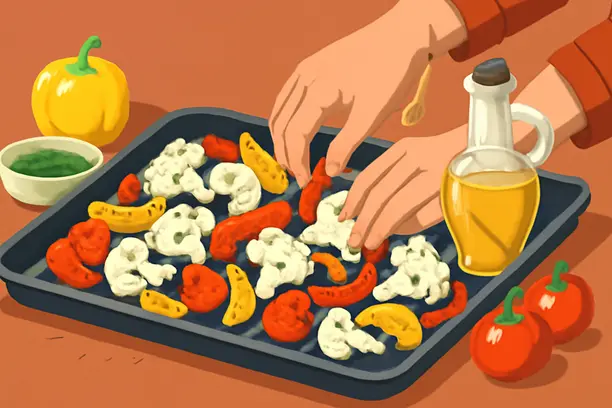
Try this: toss cauliflower florets, bell peppers, onions, and cherry tomatoes with olive oil, oregano, and lemon. Roast everything at 200°C/400°F for about 35 minutes until it’s golden and tender, then serve over quinoa for extra fiber.
Each serving typically gives you 350–450 calories, plenty of fiber and vitamin C, and stays low in sodium if you skip the extra salt.
Want more protein? Toss in chickpeas during the last 10–15 minutes of roasting or sprinkle some crumbled feta on top. For better sodium control, cook dried beans at home instead of reaching for the canned stuff.
You can easily tweak these meals by adding leafy greens or squash to bulk things up. They’re perfect for quick weeknight resets or feeding the whole family without stress.
Vibrant Vegetarian Dishes
Mediterranean vegetarian meals lean heavily on beans, lentils, and whole grains to keep you full and energized. They’re also packed with fiber, which is a win for digestion and heart health.
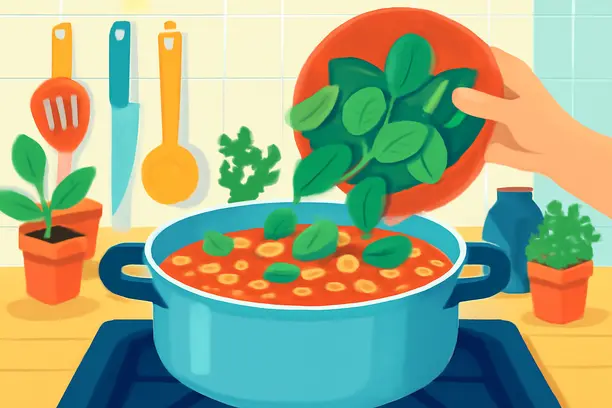
A classic chickpea-tomato stew is as easy as it gets. Sauté garlic and onion in olive oil, add canned or fresh tomatoes and chickpeas, then let everything simmer. Finish with spinach or kale for a pop of green.
This dish clocks in at around 400–500 calories per serving, with 13–18 grams of protein (mostly from the chickpeas) and 7–10 grams of fiber.
To boost vitamins, throw in diced zucchini or eggplant. Keep sodium in check by using no-salt-added tomatoes and rinsing canned legumes before you use them.
For more plant-forward inspiration, explore our healthy vegetable-focused recipes that work for all levels of plant-based eaters.
Classic Seafood Plates
Seafood is a cornerstone of the Mediterranean diet, bringing lean protein and heart-healthy omega-3 fatty acids to the table. It’s also incredibly quick to cook.
One of the easiest dishes you can make is lemon-herb baked cod. Place cod fillets in a baking dish, top with lemon slices and fresh parsley, drizzle with a little extra virgin olive oil, and bake at 200°C/400°F for 15–18 minutes.
You’ll get about 240–350 calories per serving, 25–28 grams of protein, and very little saturated fat or carbs.
Pair it with a fresh tomato-cucumber salad or roast some asparagus alongside for an easy weeknight meal. If you want more omega