How the Mediterranean Diet Supports Weight Loss in Menopause
Mediterranean diet for menopause weight loss is the key to achieving real results during menopause—without starving yourself, feeling deprived, or fighting constant cravings. You can actually enjoy satisfying meals while making steady progress, even when your hormones seem to be working against you.
Disclosure: This article contains affiliate links. We may earn a commission at no extra cost to you.
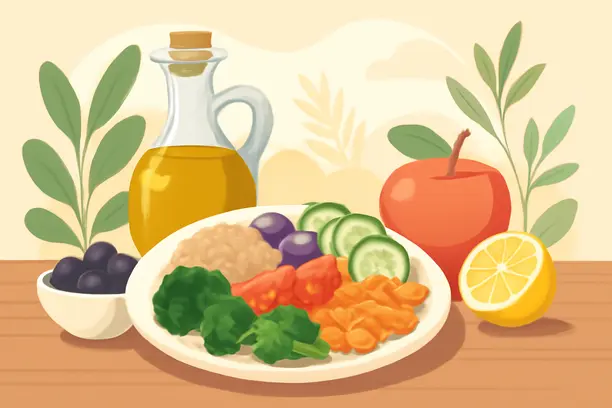
The Mediterranean diet offers a well-supported, sustainable approach that helps women manage their weight and overall health during and after menopause. It’s built around abundant vegetables, fruits, legumes, whole grains, and healthy fats like olive oil, with moderate amounts of fish and dairy—and very little processed food or added sugar.
Research consistently shows this way of eating leads to less weight gain, smaller waist measurements, and better body composition compared to typical Western diets. For instance, a study published in Menopause followed menopausal women who ate Mediterranean-style for a year. They lost more abdominal fat and preserved more muscle than those on low-fat diets—even when calorie intake was similar Source: National Institutes of Health.
The benefits go beyond the scale. Women also see improvements in blood sugar, cholesterol, and blood pressure—issues that often worsen during menopause.
While some women see faster results, most experience gradual, steady weight loss—typically 1–2 pounds per week—with better energy and fewer cravings after just a few weeks. What makes this diet especially valuable is how it lowers inflammation and preserves lean muscle mass, both of which are crucial when your metabolism is shifting Source: The Journal of Nutrition.
Beyond the physical changes, the Mediterranean diet may also improve your mood and quality of life during menopause. Stable blood sugar and a high intake of antioxidants seem to make a real difference. Some studies even suggest benefits for sleep and focus, though results vary from person to person.
One of the best things about this approach? Its flexibility. The emphasis on social meals and real, whole foods makes it easier to stick with emotionally and physically—long after the first month.
For practical meal ideas, check out our Mediterranean-inspired recipe guide for weight loss. We’ve also created a balanced Mediterranean eating outline to help clarify what to include and what to avoid.
If you’re looking for extra structure and accountability, programs like The Mediterranean Diet – 30-Day Challenge offer day-by-day meal plans, nutrition journaling, and motivational support specifically designed for women navigating menopause.
This isn’t a quick fix. But the Mediterranean diet provides a science-backed, enjoyable path to gradual fat loss, stable metabolism, and improved well-being when you stick with it long term Source: Frontiers in Nutrition.
Safe Calorie and Meal Planning for Postmenopausal Women
After menopause, your calorie needs typically drop. But overly restrictive diets can do more harm than good. The key is estimating your individual energy requirements and building a Mediterranean-inspired meal plan that supports weight loss without sacrificing muscle mass, bone health, or metabolism.

Estimating Energy Needs:
- Most postmenopausal women need between 1,600 and 2,200 calories per day, depending on activity level, body size, and age.
- Extremely low-calorie diets—anything below 1,200 calories—put you at risk for nutrient deficiencies, fatigue, hair loss, and weakened bones Source: National Institute on Aging.
- Reassess your calorie needs regularly as your weight, activity, and hormone therapy status change over time.
Avoiding Restrictive Diet Pitfalls:
- Be cautious of any plan that leaves you constantly hungry, moody, sleep-deprived, or losing weight too quickly. These approaches rarely account for menopause’s unique hormonal shifts Source: Harvard T.H. Chan School of Public Health.
- Watch for warning signs like dizziness, brittle nails, thinning hair, frequent illness, or lost motivation to stay active.
- The Mediterranean diet emphasizes anti-inflammatory foods, healthy fats, fiber, and quality meals that promote fullness and energy—without deprivation.
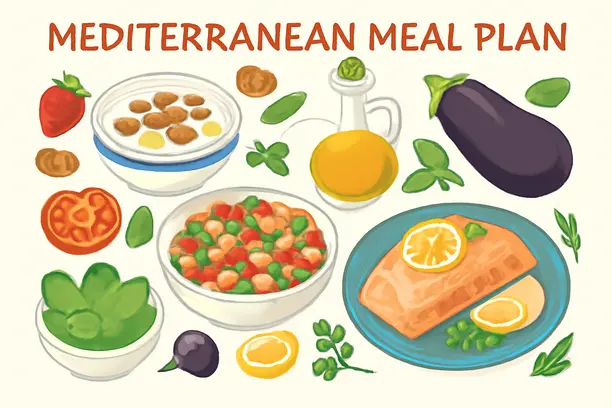
Example Mediterranean Meal Pattern (1,600–1,800 Calories):
- Breakfast: Greek yogurt topped with walnuts, fresh berries, and a drizzle of honey.
- Lunch: Mixed bean salad with olive oil, tomatoes, cucumber, feta, and a piece of whole grain pita.
- Snack: Fresh fruit and a handful of almonds.
- Dinner: Baked salmon with roasted vegetables and quinoa.
- Optional snack: Apple slices with almond butter.
This balanced pattern blends protein, fiber, healthy fats, and carbs in a way that helps you stay full and keeps your blood sugar stable throughout the day.
If you prefer a more guided approach, digital programs like The Mediterranean Diet – 30-Day Challenge provide structured, nutritionally balanced meal plans tailored specifically for menopausal women. They take the stress out of meal planning and help you stay consistent.
If you’re experiencing unusual fatigue, lightheadedness, or your progress has stalled, it’s worth consulting a registered dietitian. They can help you customize your plan safely based on your unique needs.
Sustainable weight loss during menopause respects your body’s changing requirements. It’s about nourishing yourself with real food and making gradual, lasting changes—not cutting calories to extremes.
Mini-FAQ: Meal Planning and Practical Tips
How can you stick to the Mediterranean diet if you have a busy schedule?
Batch-cooking staples like roasted vegetables, whole grains, and lean proteins can help you get healthy meals on the table quickly. Stocking your pantry with essentials and planning simple, repeatable meals makes Mediterranean eating doable even on hectic days.
What are some easy Mediterranean snacks for weight loss?
Great snack choices include a handful of olives, sliced bell peppers with hummus, Greek yogurt with berries, or a small portion of mixed nuts. These options are nutrient-dense, keep you feeling full, and help maintain energy between meals.
Medications and Medical Options: HRT, GLP‑1s and When to See a Clinician
While diet is central to managing weight during menopause, some women may benefit from medical options like hormone replacement therapy (HRT) or GLP-1 receptor agonists. Understanding these treatments—and knowing when to seek professional guidance—ensures you’re receiving safe, effective care tailored to your situation.
What Is HRT and When Is It Appropriate?
HRT supplements estrogen—sometimes combined with progestin—to relieve menopause symptoms like hot flashes, sleep issues, and bone loss. It’s not primarily a weight loss treatment, but it can indirectly support weight management by improving your quality