

Evidence-backed health benefits and mechanisms
Mediterranean diet recipes for weight loss offer a flavorful approach to shedding pounds and improving health, backed by scientific studies showing steady progress without bland meals or strict restrictions.
Disclosure: This article contains affiliate links. We may earn a commission at no extra cost to you.
The Mediterranean diet’s reputation for supporting weight loss and improving health is firmly grounded in extensive scientific research. The PREDIMED trial, a landmark study involving over 7,000 adults at high cardiovascular risk in Spain, demonstrated that those following a Mediterranean diet rich in olive oil or nuts lost more weight and reduced waist circumference more than participants on typical low-fat diets over five years Source: The New England Journal of Medicine.
Recent reviews, including a 2023 analysis, reinforce these findings. They show that Mediterranean diet patterns promote greater fat loss and longer maintenance compared to calorie-matched low-fat diets Source: BMJ.
So what’s behind these results? Several key mechanisms contribute to these benefits:
- Omega-3s reduce inflammation: Foods like fatty fish, walnuts, and chia seeds provide omega-3 fatty acids that inhibit chronic inflammation associated with obesity and slowed metabolism. Meta-analyses confirm robust anti-inflammatory effects, especially when you’re consuming fish 2–3 times weekly Source: PubMed.
- Monounsaturated fats improve cholesterol profiles: Olive oil, a staple fat source, is high in monounsaturated fats that lower LDL (“bad”) cholesterol while maintaining HDL (“good”) cholesterol, supporting metabolic health and enhancing fat loss beyond cardiovascular benefits Source: American Heart Association.
- Dietary fiber stabilizes blood sugar and appetite: High-fiber foods such as whole grains, legumes, and produce slow digestion and blood sugar spikes, promoting fullness and reducing calorie intake. Evidence consistently supports fiber’s role in sustainable weight management Source: Harvard T.H. Chan School of Public Health.
This combination of anti-inflammatory nutrients, healthy fats, and fiber not only supports weight loss but also improves satiety. It may even help regulate hunger hormones, making long-term adherence to the diet easier.
If you want a step-by-step plan that takes the guesswork out of meal prep, the Mediterranean Diet – 30-Day Challenge provides daily recipes and science-backed meal plans to help you see real results in just a month.
How Strong Is the Evidence?
The scientific consensus rates the Mediterranean diet’s benefits for weight and metabolic health as strong. Long-term trials, clinical guidelines (U.S. and Europe), and government health panels endorse Mediterranean-style eating alongside moderate calorie restriction for healthy weight loss and diabetes prevention Source: Dietary Guidelines for Americans.
Our curated Mediterranean diet recipes collection helps translate this research into practical, flavorful meals for effective weight management.
Practical meal plan and realistic weight-loss expectations
A sustainable Mediterranean diet plan for weight loss emphasizes balanced, nutrient-dense meals with variety to encourage steady progress without deprivation. Below is a sample 30-day meal framework designed for around 1,500–1,800 calories daily to support safe weight loss while promoting fullness and satisfaction.
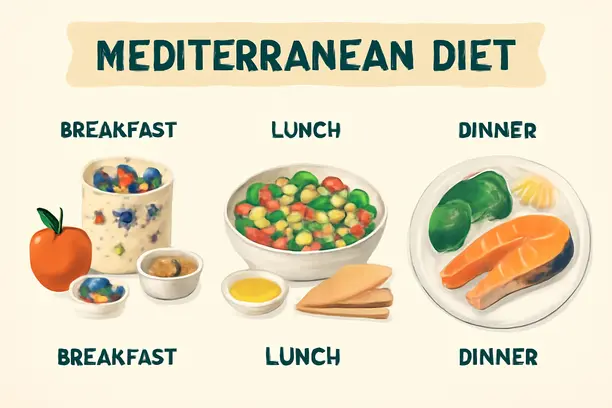
Sample Daily Structure
- Breakfast: Overnight oats with Greek yogurt, berries, and a drizzle of honey (vegetarian friendly). For gluten-free needs, swap regular oats for certified gluten-free oats.
- Lunch: Chickpea salad with cucumber, tomatoes, feta cheese, and olive oil, served with whole-wheat pita or gluten-free wrap.
- Dinner: Grilled salmon or white beans (for vegan/vegetarian options) served over spinach, cherry tomatoes, and roasted sweet potato.
- Snacks: A handful of almonds, carrot sticks with hummus, or fresh seasonal fruit.
This pattern prioritizes fiber and protein to prolong satiety with fewer calories. Rotating protein sources such as fish, poultry, tofu, and lentils alongside plentiful vegetables keeps meals interesting.
Portion sizes can be adjusted to fit your individual calorie needs.
For those who want extra structure and motivation, a digital program like the Mediterranean Diet – 30-Day Challenge includes daily recipes and accountability tools to help you stay consistent, even on busy days.
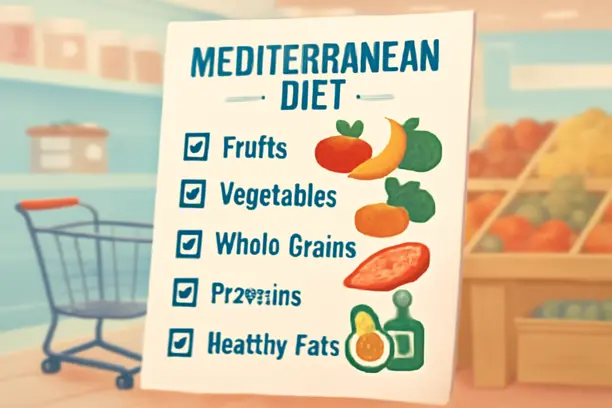
Weekly Shopping List Template
- Fruits: Citrus, berries, apples, grapes
- Vegetables: Leafy greens, tomatoes, cucumber, eggplant, zucchini
- Whole grains: Brown rice, quinoa, whole-grain pasta, polenta (gluten-free substitutions as needed)
- Proteins: Salmon, chicken breast, canned tuna, eggs, chickpeas, lentils, Greek yogurt, tofu
- Healthy fats: Extra-virgin olive oil, olives, avocado, almonds, walnuts
- Staples: Feta or part-skim mozzarella, fresh herbs, garlic, lemon
To stay on budget, buy frozen produce and canned beans, and replace expensive fish with eggs or legumes as needed.
For additional budget-friendly strategies, visit our budget diet plan guide.
Weight Loss Expectations Based on Science
Following a Mediterranean diet with a modest calorie deficit generally leads to steady weight loss of 1–2 pounds per week, in line with CDC guidance on calorie deficits Source: CDC.
A large randomized trial showed average weight loss of 8–10 pounds over 12 months, with faster losses early on and slower rates later Source: NIH.
Individual results vary by factors like age, gender, genetics, and activity level. Lasting habits and gradual loss trump quick fixes.
Calorie Needs and Adjustments
- Lightly active adults: Typical calorie targets are 1,500/day for women and 1,800/day for men for weight loss, with upward adjustments for more active individuals.
- Vegetarian/vegan options: Increase legumes, nuts, and seeds to replace animal proteins. For more plant-forward meal inspiration, see our vegan weight loss meal plans.
- Older adults: Prioritize calcium and vitamin D with extra leafy greens, yogurt, or fortified milk alternatives.
If you need a more personalized plan or want to ensure your calorie deficit is set up for success, our ultimate diet plan guide covers meal templates, calorie tracking, and evidence-based weight loss strategies in depth.
Ready to boost your momentum and simplify healthy eating? Try the Mediterranean Diet – 30-Day Challenge for organized meal plans and practical guidance that suit your lifestyle.
Frequently Asked Questions
Can you eat carbs and still lose weight on the Mediterranean diet?
Yes, the Mediterranean diet includes plenty of whole grains like quinoa, brown rice, and whole-grain bread. The focus is on fiber-rich carbs, eaten in moderation alongside protein and healthy fats to keep blood sugar stable and promote fullness—making carbs part of your sustainable weight-loss toolbox, not the enemy.
How soon can you expect to see results?
Most people notice improvements in energy, digestion, and bloating within the first week or two. Weight loss is typically steady—about 1–2 pounds per week—if you maintain a calorie deficit. Gradual progress means the results tend to last.
What happens if you have dietary restrictions?
The Mediterranean diet is flexible for gluten-free, vegetarian, and even vegan eaters. Swap grains or proteins as needed and focus on the core principles: lots of vegetables, beans, healthy fats, and lean or plant-based proteins. If you’d like more restriction-friendly ideas, browse our sample Mediterranean menus for various dietary needs.