

How long it should take and what’s safe (rates & composition)
Need to lose 10 pounds but want a plan that won’t leave you burnt out or caught in a yo-yo diet cycle? You’re in the right place—here’s how to lose 10 pounds with a realistic approach that can last.
Disclosure: This article contains affiliate links. We may earn a commission at no extra cost to you.
Losing 10 pounds is one of those classic goals that feels both doable and meaningful. But here’s the thing: how long it should take, and what actually counts as safe weight loss, matter more than you might think.
Most experts land on a steady pace of 1 to 2 pounds per week for adults. This range isn’t arbitrary—it’s designed to help you avoid pitfalls like nutrient deficiencies, muscle loss, and the dreaded rebound weight gain, while giving your body time to adjust and build habits that stick Source: CDC.
Now, let’s talk about what you’re actually losing. Weight loss isn’t just fat melting away—especially not at first.
In those early weeks, a noticeable chunk of what disappears on the scale is water. Cut back on carbs or salt, and your body releases stored fluids. That’s why you might drop 3 to 5 pounds in week one and feel like a rockstar—only to see things slow down in week two.
Over time, as you maintain a calorie deficit, fat becomes the main player. But here’s where it gets tricky: crash dieting can cause you to lose muscle right alongside fat. And muscle loss? That’s bad news. It can slow your metabolism and make future fat loss harder Source: National Institute of Diabetes and Digestive and Kidney Diseases.
So how do you focus on fat loss instead of just watching the number on the scale drop? Two big moves: eat enough protein, and lift something heavy (or at least challenging).
Resistance training—think bodyweight exercises, dumbbells, or resistance bands—helps you hold onto muscle while your body burns fat. Pair that with solid nutrition, and you’re golden. If you want a deeper dive into macro ratios and meal composition, check out our sample macro diet for weight loss.
- Timeline Reality Check: Losing 10 pounds at 1–2 pounds per week typically takes 5 to 10 weeks. Plan accordingly.
- Initial Drop: Week one might show 3–5 pounds lost, mostly water. Don’t get discouraged when the pace slows—it’s supposed to.
- Fat vs. Muscle: Aggressive diets without enough protein or strength work can cost you 25% or more of your weight loss as muscle, not fat Source: Harvard T.H. Chan School of Public Health.
Your personal rate of weight loss can vary based on age, hormones, starting weight, activity level, medications, and conditions like thyroid issues or PCOS.
If you’re older or have lost weight before, your body might resist a bit more due to metabolic adaptations. That’s totally normal. If you’ve got a complex health history, it’s worth chatting with a healthcare provider before diving in.
Here’s the bottom line: gradual, achievable milestones will serve you better than trying to sprint to 10 pounds lost. You’ll have more energy, better moods, and results that actually last. For more on managing calorie deficits without wrecking your metabolism, see our guide on optimal calorie deficit duration.
Want a structured, enjoyable plan that’s grounded in real science? The Mediterranean Diet 30-Day Challenge walks you through daily guidance to help you lose weight safely—while actually enjoying your food.
A practical 4-week plan to lose 10 pounds safely
Week 1: Get the Basics Right—Calorie Deficit and Protein Priorities
Let’s start simple. To lose weight, you need a calorie deficit—but not a punishing one.
Aim for 500 to 750 fewer calories per day than you burn. This sweet spot typically leads to about 1 to 1.5 pounds of weight loss per week, which is both healthy and sustainable.
Avoid going too low: for most adults, that means staying above 1,200 calories if you’re a woman, or 1,500 if you’re a man. Dip below that without medical supervision, and you risk missing out on essential nutrients Source: CDC.
Now, let’s talk protein. You’ll want at least 0.7 to 1 gram of protein per pound of your target body weight each day.
Why? Protein helps you hold onto muscle during fat loss—especially when you’re doing strength training. It also keeps you fuller longer, which makes sticking to your calorie target way easier Source: National Institutes of Health.
Think lean options: chicken, turkey, eggs, tofu, low-fat Greek yogurt. Pair those with plenty of veggies, healthy fats, and whole grains, and you’ve got a solid foundation.
Need more structure and meal ideas? The Mediterranean Diet 30-Day Challenge offers a proven roadmap with daily meals that actually taste good.
Week 2: Build Consistency with Smart Exercise and Tracking
You’ve nailed the nutrition basics. Now it’s time to add movement that supports your goals.
Start with resistance training 2 to 3 times per week. This could be bodyweight exercises, dumbbells, or resistance bands—whatever you have access to. The goal is to challenge your muscles so they stick around while fat melts off.
Then, add 3 to 4 moderate cardio sessions. Brisk walking, cycling, swimming—pick what you enjoy. These sessions help with calorie burn and cardiovascular health. For workout inspiration, check out our guide to effective at-home workouts.
Tracking is your secret weapon here. Keep a detailed food log to stay accurate, and weigh yourself once a week at the same time—preferably in the morning, before eating.
Also, track at least one strength metric. How many push-ups can you do? How many squats? Progress beyond the scale keeps you motivated even if weight loss stalls for a few days.
One more thing: listen to your body. If you’re feeling excessively tired or ravenous, it’s okay to add a bit more food. Prioritize overall wellness over hitting a specific number as fast as possible.
Week 3: Dial In Habits—Meal Planning, Stress, and Sleep
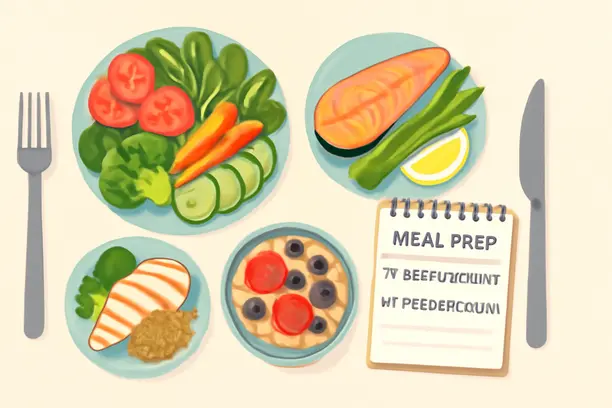
By now, your habits are forming and your body is adjusting. This week, focus on meal planning to limit decision fatigue and reduce the temptation of impulsive eating.
- Batch cook or prep ingredients in advance to set yourself up for busy days.
- Maintain structured meal times as much as you can—regular patterns help manage hunger cues.
- Work on stress management: daily walks, deep breathing, and simple mindfulness practices aid both mental state and fat loss.
- Aim for 7–8 hours of quality sleep, since poor sleep can drive cravings and slow your progress.
If you’re looking for meal inspiration, our list of healthy, easy-prep meals can help take the guesswork out.
Week 4: Overcome Plateaus and Boost Motivation
If your results are slowing, remember: this is normal. Plateaus happen, especially as you approach your goal. Use this week to review your habits—are you still journaling food, exercising, and getting enough sleep?
Consider mixing up your workouts with intervals, longer walks, or new activities. Sometimes your body just needs a novel stimulus.
It’s also a great time to revisit your motivation. Remind yourself why you started, and look back at your progress photos or journal entries. For more encouragement and science-backed strategies, check our guide on sustaining motivation.
And if you want even more structure, the Mediterranean Diet 30-Day Challenge can walk you through weeks of meals, tips, and support for this crucial final push.
Mini-FAQ: Quick Answers to Common Concerns
Can I lose 10 pounds in a month?
Yes, it’s possible for many people, following a healthy calorie deficit and consistent exercise, to lose 8–10 pounds in one month. Prioritize safe methods and remember most rapid initial loss is water weight.
Will a cheat meal ruin my progress?
A single cheat meal won’t sabotage your results if you return to your healthy pattern. Focus on consistency over perfection and use these moments to learn, not judge yourself.
Do I need supplements to lose 10 pounds?
Supplements aren’t necessary if your diet is balanced and you hit your protein, vitamin, and mineral needs. Focus on real foods, whole grains, lean proteins, and plenty of vegetables first.