

Practical Exercise Routines, Dosing, and Variations
Posture exercise for seniors offers a straightforward, injury-free way to improve strength and confidence—without spending hours on complicated routines. You want better posture and strength—without risking injury or spending hours on complicated routines. What if a few safe, focused moves could help you stand taller and feel more confident, even on your busiest days?

Disclosure: This article contains affiliate links. We may earn a commission at no extra cost to you.
Here’s the thing about effective posture exercises for seniors: they need to balance safety, accessibility, and real progress. You’ll find detailed, ready-to-follow 4-week plans below, tailored for varying mobility levels—including standard, chair-based, and wall-supported versions. Each plan weaves in gentle warm-ups, clear exercise “dosing” (sets, reps, holds), and straightforward progression tips so you can build a routine that fits your life and delivers measurable results every week.
Warm-Up Protocol (5 Minutes)
Before you dive in, let’s get your body ready:
- Gentle Neck Circles: 5 reps each direction, slow and smooth
- Shoulder Rolls: 10 forward, 10 backward
- Marching in Place (seated or standing): 30 seconds
- Arm Swings: 10 reps across your chest
This simple warm-up primes your muscles and joints, reducing stiffness and setting the stage for safer movement.
4-Week Posture Exercise Plan: Three Levels
Pick the level that matches where you’re at right now. You can always shift between levels as your confidence and strength grow.
Beginner (Standing)
- Wall Angels: 2 sets x 8 reps (heels and shoulders close to wall, slide arms upward, return)
- Bird Dog: 2 sets x 6 reps per side (on hands and knees, extend opposite arm and leg, hold 3 seconds)
- Standing Chin Tucks: 2 sets x 8 reps (tuck chin gently back, hold 5 seconds)
- Seated Rows (resistance band or towel): 2 sets x 10 reps (squeeze shoulder blades)
Chair/Wall-Only (Mobility-Friendly)
- Seated March: 2 x 15 seconds (lift knees as able)
- Wall Push-Offs: 2 sets x 8 reps (push gently from wall, keep body straight)
- Seated Shoulder Blade Squeezes: 2 sets x 10 reps (hold squeeze for 3 seconds)
- Ankle Pumps: 2 sets x 12 reps
Intermediate (Active Seniors)
- Standing Hip Hinge: 3 sets x 8 reps (hands on hips, slight bend, hinge at hips and stand tall)
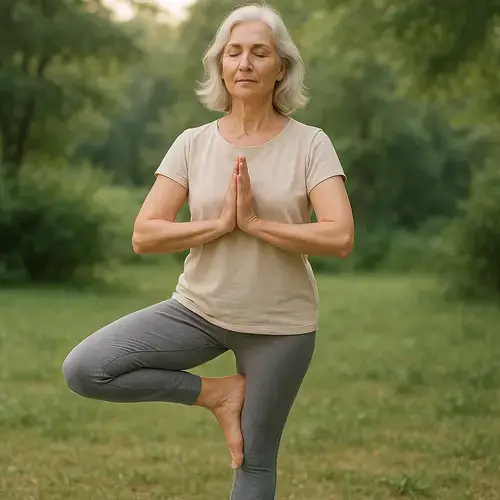
- One-Leg Mini Balance: 3 sets x 10–20 seconds per leg
- Reverse Wall Slides: 3 sets x 8 reps (sit against wall, lift and lower arms overhead)
- Scapular Retractions with Resistance: 3 sets x 10 reps
Weekly Structure & Safe Progression
Start with 3 sessions per week. As you feel more comfortable, aim to bump up either reps or sets by 10–20% each week. If any move causes pain—real pain, not just a little muscle fatigue—pause and swap it for a simpler alternative like seated versions or wall-supported options. As your confidence builds, you can explore more challenging variations or extend the duration slightly. Always wrap up with a 5-minute cooldown: gentle stretching targeting chest, shoulders, and calves.
Variation and Adaptation Tips
Life’s not one-size-fits-all, and neither are these exercises:
- Trouble kneeling? Bird Dog works just fine standing, with one hand resting on a chair for balance.
- Neck issues? Replace chin tucks with gentle head rotations or side bends, keeping the movement small and controlled.
- Need less standing? Focus on seated rows, marches, and scapular squeezes for a complete routine.
Quick-Reference Cheat Sheet (Routine Recap)
Keep this handy for daily sessions:
- Warm-up: 5 minutes
- Main set: Select 3–4 posture moves, 2–3 sets each (see above)
- Cooldown: Stretch, 5 minutes
- Frequency: 3–5 times weekly; rest if sore
For an even more time-efficient, follow-along experience designed specifically for mature women seeking to boost strength, energy, and posture, try the 7-Minute Ageless Body Secret—created for busy schedules and gentle on joints.
Caregivers can keep this cheat sheet close by to guide daily sessions, adjust on-the-fly, and monitor comfort. Here’s the truth: consistency—not perfection—brings the best results over time Source: National Institute on Aging.
If staying motivated feels like an uphill battle, you’ll find extra support and practical strategies in our guide to staying motivated for new exercise routines.
Ready to maximize efficiency and accelerate results at home with zero equipment? Get instant digital access to the full Ageless Body posture transformation program today.
Safety, Screening, and Condition-Specific Modifications
Pre-Exercise Screening: Five Essential Safety Questions
If aches, medical concerns, or a recent fall have you worried, don’t skip this step—screening helps you stay safe and confident as you start. Before beginning any posture exercise for seniors, a simple pre-exercise screen can help prevent injuries and complications. Ask yourself (or your client) these five questions:
- Have you experienced a fall or near-fall in the past six months?
- Do you have diagnosed osteoporosis or very fragile bones?
- Are you currently feeling severe joint pain, swelling, or recent injury?
- Do you ever feel dizzy, faint, or short of breath during light movement?
- Has your doctor advised you to avoid certain movements or strenuous activity?
If you answer “yes” to any of these, pause and consult with a healthcare provider before proceeding. This step matters especially if you’ve had recent fractures, changes in medication, or ongoing heart concerns. Even for more active older adults, an annual check-in with a medical professional is smart to stay aligned with any new health considerations Source: NHS UK.
Core Safety Principles for Posture Exercise
Every posture session should start with a gentle warm-up—think shoulder rolls or slow marching in place—to prepare the body and minimize stiffness. During exercises, watch for:
- Pain: Discomfort is normal, but sharp pain, numbness, or sudden swelling means you must stop.
- Breath: Breathe steadily; don’t hold your breath, especially if you have high blood pressure.
- Balance: Use stable support such as a wall or back of a sturdy chair for balance exercises.
- Load: Start with just your bodyweight or light resistance bands; never add ankle weights if you have osteoporosis.
Choosing posture exercises for seniors with clear instructions, visual cues, and a pace that allows safe transitions between movements promotes confidence and reduces risk Source: CDC.
Condition-Specific Modifications & Red Flags
Certain health conditions require routine tweaks or extra caution:
- Osteoporosis: Avoid spine-bending or twisting motions (like toe touches). Choose upright, low-impact moves and prioritize posture holds rather than rapid changes in direction.
- Joint Pain or Arthritis: Opt for chair-based or aquatic posture exercises. Cushion sore areas with a rolled towel and limit deep bends of knees or elbows.
- Balance Challenges: Practice in a clutter-free space and stay near a stable surface. Seated variations are ideal for those who tire easily or use a walker.
- Hypertension: Don’t perform sustained overhead movements or exercises that involve breath-holding (like some plank variations). Focus on rhythmic, moderate tempo moves and regular exhalation.
Always listen to warning signs like severe fatigue, dizziness, chest pain, or unexpected breathlessness. Stop exercise immediately and seek medical advice if any of these symptoms occur. Modifying posture exercise for seniors to suit your needs ensures comfort and sustainable progress. Remember, even small improvements in balance and posture can significantly enhance your quality of life and independence.
It’s wise to build habits gradually and, if unsure, ask a physiotherapist or experienced exercise professional for a quick check-in. Most importantly, stay consistent—regular posture exercise for seniors can support bone health, alleviate back and neck pain, and encourage a more upright, confident stance over time.