What ‘Detox’ Really Means — evidence and limits
Soup detox diet claims often promise to make you feel lighter and more energized without real science to back up the “detox” hype. If you’re considering a soup detox, here’s what actually works for your body and how your natural detoxification system functions.
Disclosure: This article contains affiliate links. We may earn a commission at no extra cost to you.
The term “detox” shows up everywhere in discussions about soup detox plans, but its scientific meaning is very different from what marketing campaigns suggest. Detoxification is a continuous, involuntary process carried out by your liver, kidneys, lungs, and digestive system. These organs work together to filter and remove waste products and foreign substances, keeping your body’s internal balance in check.
Your liver plays the lead role here, using enzymes to transform harmful substances—from alcohol to cellular waste—into less toxic compounds that leave your body via urine or bile. Meanwhile, your kidneys filter blood constantly, expelling water-soluble toxins through urine. For anyone without organ dysfunction, this natural detoxification is highly efficient and isn’t boosted by any diet, drink, or supplement taken over a short period Source: American Cancer Society.
The Limits of Commercial Detox Diets
Soup detox diets frequently claim to flush toxins, reset metabolism, or provide unique cleansing effects. However, scientific evidence supporting these broad assertions is minimal. Most detox regimens built around soups or juices don’t actually remove defined toxins—they just induce temporary calorie reduction and increase fluid and vegetable consumption.
While this can create a brief feeling of lightness or initial weight loss (mostly water and glycogen), it shouldn’t be confused with eliminating toxins Source: British Dietetic Association.
The belief that certain ingredients, pills, or soup additives can “supercharge” your liver or kidneys isn’t grounded in established science. Real metabolic improvements require consistent, long-term habits: balanced nutrition, adequate hydration, regular physical activity, and avoiding excess alcohol, pollutants, and processed foods. No short diet can undo past habits or instantly neutralize toxic exposures.
Marketing Language vs. Science
Marketing terms like “metabolic boost,” “cleanse,” or “activate fat-burning” are often vague and lack rigorous scientific definitions. These phrases serve more as promotional tools than evidence-based descriptions.
Be cautious of claims involving proprietary blends or “miracle” minerals promising rapid toxin elimination—they typically lack peer-reviewed support or rely on limited animal or cell studies, not human clinical outcomes.
It’s more practical to consider soup-based diets for their achievable effects: appetite regulation, increasing vegetable intake, or giving your digestive system a gentle rest—not for vague toxin elimination. For a grounded perspective on meal impact, see our detailed discussion on the soup diet’s effects and healthy options.
If you want a structured, easy-to-follow soup plan designed especially for busy adults or those over 50, the Rapid Soup Detox 14-Day System offers practical guidance focused on satiety and convenience without relying on unproven “detox” promises.
Ultimately, effective support for your body’s detoxification relies on consistent hydration, nutrient-rich eating, and reducing processed foods over time. Soup diets can assist in adopting these habits, but be wary of exaggerated marketing. For more on realistic dietary approaches, explore our illustrated guide explaining how calorie deficit works.
Ready for a practical meal-based protocol? The 14-Day Rapid Soup Detox offers daily recipes and straightforward plans designed for fast, sustainable fat loss.
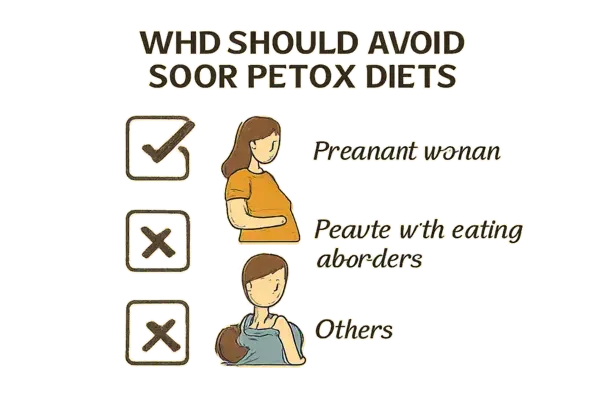
Safety & Who Should Avoid Soup/Detox Plans
Soup detox diets are promoted as quick, easy weight loss methods—but they’re not safe or appropriate for everyone. These plans tend to be highly restrictive, often extremely low in calories, carbohydrates, and protein, and may lack essential nutrients.

Below is a practical checklist of individuals who should avoid or approach these diets only under medical supervision.
- Pregnant or Breastfeeding Women:
Pregnancy and lactation require steady calorie, protein, micronutrient, and healthy fat intake to support fetal development and milk production. Restrictive diets risk nutrient deficiencies and have been linked to poor birth outcomes or reduced milk supply. Such diets should only be used if medically supervised Source: American Family Physician. - People With a History of Eating Disorders:
Strict, rule-based diets like soup detoxes can trigger relapses or exacerbate disordered eating patterns, including bingeing or extreme control. If you have or had an eating disorder, consult a dietitian or therapist before considering these diets. - Individuals With Diabetes (Especially on Insulin or Sulfonylureas):
Rapid calorie and carbohydrate reductions risk hypoglycemia in people on diabetes medications. Soup detox diets lack the steady nutritional support needed for safe diabetes management without clinical oversight Source: American Diabetes Association. - People With Chronic Kidney Disease:
Sudden changes in fluid and electrolyte intake can stress impaired kidneys. Many detox soups are high in potassium and sodium, which may worsen kidney function if not monitored. - Children, Teens, and Older Adults:
These groups are sensitive to nutritional deficits affecting growth, cognitive development, muscle mass, and frailty. Balanced, less restrictive diets are more appropriate. - Anyone With Active Medical Conditions or Complex Medication Regimens:
Medical issues often require diet and medication stability. Sudden dietary shifts can alter medication effectiveness or trigger complications. Always seek personalized medical advice.
Warning Symptoms: When to Stop Immediately
Even generally healthy adults should discontinue a soup detox diet immediately if they experience warning signs such as:
- Dizziness or fainting
- Rapid heart rate or palpitations
- Severe weakness or fatigue
- Persistent nausea, vomiting, or diarrhea
- Confusion, irritability, or severe mood swings
- Signs of dehydration (dry mouth, dark urine, low sweating or urination)
If any occur, stop the diet and promptly consult a healthcare professional to avoid serious complications.
Why Medical Guidance Is Essential
Soup detox diets aren’t substitutes for medical care or personalized nutrition. Even if you’re in good health, consulting with a dietitian or primary care provider is important before starting any restrictive approach—especially if you take medications or manage chronic illness.
Your individual health status and the planned duration of the soup diet strongly influence safety. Dietary changes are not one-size-fits-all. For safer alternatives to rapid detoxing, consider options like balanced diets tailored for your needs or professional support for sustainable wellness plans.
If you’re exploring structured soup plans promising fast results, always read disclaimers and favor those based on sound nutritional principles. For eligible individuals seeking short-term guidance, the 14-Day Rapid Soup Diet program offers digital access with a satisfaction guarantee—but should be started only with professional clearance.
For long-term weight loss goals without extreme detoxes, adopting a sustainable diet and workout plan supports gradual, healthy progress while prioritizing safety.
When a soup detox suits your profile and you have medical approval, programs like the Rapid Soup Detox provide detailed blueprints, community support, and a 60-day money-back guarantee.
Transitioning Off a Short-Term Soup Plan: Refeeding & Maintenance
Transitioning safely off a short-term soup detox diet is crucial for maintaining results and avoiding discomfort. Abruptly returning to heavy meals or making fast dietary shifts can cause digestive distress, energy fluctuations, and undermine your progress.
A gradual, evidence-based refeeding strategy sets you up for long-term success.
Stepwise Refeeding Blueprint:
- Start Slow: For the first two days post-detox, increase food variety modestly. Add one or two new gentle foods per meal—like steamed vegetables, fruits, oats, or plain yogurt. This allows your digestive system to adapt.
- Bump Up Calories Gradually: Increase daily calories by 200–300 per day if your diet was very low-calorie. Monitor your energy and avoid crash feelings.
- Resume Balanced Meals: Within 3–5 days, reintroduce meals combining lean protein, whole grains, healthy fats (e.g., olive oil), and plenty of non-starchy vegetables. Resist immediately returning to processed “reward” foods to help normalize taste and cravings.
The Mediterranean diet serves as a proven, sustainable model emphasizing vegetables, olive oil, legumes, nuts, fish, and moderate dairy—a gentle yet nutrient-rich step up from detox phases Source: Mediterranean Diet Guide.
Batch-cooking simple, nutritious meals at home ensures healthy options are available when hunger returns, reducing mental strain around food choices Source: Healthy Meals At Home.
Maintenance & Calorie Targets
Typical long-term calorie needs for moderate weight loss are about 1,500–1,800 per day, and roughly 2,000 for maintenance—varying by age, sex, and activity. Avoid large calorie deficits after detox; recalculating your maintenance calories helps prevent rebound weight gain.
Habits such as mindful eating and meal planning support sustained results. If you experience hunger or low energy, adjust meal quality and timing before reducing calories further. For tips on satiety while in a calorie deficit, see smart fullness strategies.
Feeling a little overwhelmed by the transition? You’re not alone—most people find the shift back to regular eating is where old habits sneak in. Let’s keep this doable with step-by-step support and realistic meal ideas.
When to Seek Extra Support
If fatigue, digestive upset, or mood swings persist, consult a registered dietitian—especially if you have chronic health issues, special dietary needs, or uncertainty about calorie targets. Professional guidance can maintain your gains safely Source: Academy of Nutrition and Dietetics.
For a structured, guided transition, the 14-Day Rapid Soup Diet includes detailed meal plans, fat-burning soup recipes, and maintenance strategies, backed by a 60-day money-back guarantee.
Slow, nutrient-dense refeeding and gradual caloric increases help your body adjust for lasting wellbeing. If you’re ready, explore expert plans like the Rapid Soup Detox system for continued success.
Nutritional Adequacy: macros, micros, and sample analyses
Soup detox diets are praised for simplicity but often lack attention to nutritional adequacy. Most plans focus on vegetable broths with non-starchy vegetables, leafy greens, and occasional lean proteins like chicken, lentils, or tofu.
Daily calories typically range between 700 and 1,200 kcal—below maintenance for most adults.
Protein is a critical gap. Vegetable-based soups may only provide 20–35 grams of protein daily, which is insufficient for muscle preservation during weight loss and below recommended intakes for many adults Source: Academy of Nutrition and Dietetics. Carbohydrates and fiber vary depending on added pulses or grains, and fat content is usually low unless healthy fats like olive oil or nuts are incorporated.
Sample Day: Nutrient Snapshot
- Calories: 800–1,000 kcal (variable by recipe)
- Protein: 20–40g (higher with added animal or plant proteins)
- Carbohydrates: 80–120g
- Fat: 10–30g
- Fiber: 15–25g
This macro profile is often below average adult needs and tends to be lighter in protein and healthy fats essential for satiety and muscle retention.
Micronutrient Strengths & Gaps
Vegetable-rich soups provide vitamins A, C, potassium, and antioxidants. However, typical detox menus commonly lack calcium, vitamin D, B12, zinc, and iron—especially if animal products and dairy are excluded.
Commercial broths may also contribute to excess sodium, a concern for blood pressure management Source: Harvard T.H. Chan School of Public Health.
Without inclusion of pulses, nuts, seeds, or fish, critical micronutrients such as omega-3 fatty acids and iodine may fall short—an issue amplified by longer or vegan-focused plans.
Strategies to Fill Common Nutritional Gaps
- Protein Boost: Incorporate lentils, beans, shredded chicken, or tofu into soups.
- Healthy Fats: Add olive oil or sprinkle seeds like flax or chia for heart health and improved vitamin absorption.
- Micronutrients: Use leafy greens, mushrooms, cruciferous vegetables, and dairy or fortified alternatives to support iron, calcium, and vitamin K intake.
- For extended plans or vegan diets, consider a multivitamin or B12 supplement, though supplements shouldn’t replace balanced meals Source: NHS.
Enhancing nutrient variety maximizes the benefits of short-term soup detoxes. For meal customization, see our guidance on meal planning with macronutrients.
How to Check If Your Soup Detox Diet Meets Your Needs
Use free nutrition apps like Cronometer or MyFitnessPal to track your daily intake and assess calorie, protein, and micronutrient levels. Consulting a registered dietitian can further help avoid significant nutrient shortfalls.
If you prefer a structured approach with balanced macros and micros built-in, consider the 14-Day Rapid Soup Diet, which provides detailed meal plans and recipes.
For a sustainable view beyond detox trends, check our overview on healthy, balanced weight loss diets.