
image 150

How to Follow a Mediterranean Diet for Weight Loss: A Beginner’s Guide to Healthy Eating

Looking to lose weight and boost your health? How to follow a Mediterranean diet for weight loss is a smart choice. It focuses on whole grains, fruits, veggies, and healthy fats. To start, learn the diet’s basics and how to make it part of your daily routine. With the right tips, you can reach your weight loss goals.

The Mediterranean diet has been the top diet for six years running and is known for its numerous health benefits, including weight loss and improved heart health. By following this diet, you can lower your risk of early death from heart disease, cancer, and more. With the right advice, you can make it work for you.

image 145

Simple Steps How to Follow a No Sugar Diet

Imagine starting your day with energy that lasts, skin that glows, and a body that feels its best. For many Americans, reducing sugar intake has become a powerful way to achieve these benefits. But how to follow a no sugar diet, and why is it gaining so much attention?

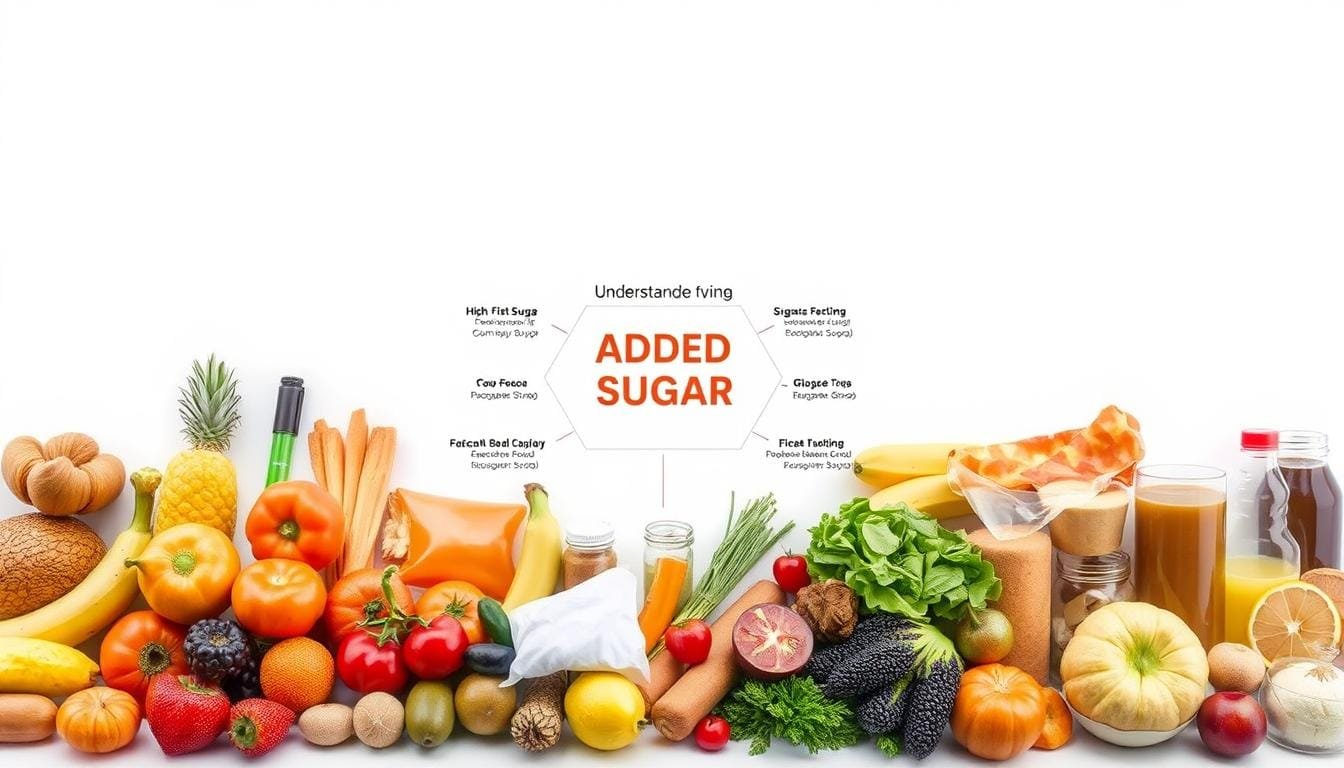
The term “no sugar diet” often refers to eliminating added sugars from your daily intake while still allowing natural sugars found in whole foods like fruits and vegetables. The average American consumes about 22 teaspoons of added sugar per day—far more than the recommended 6-9 teaspoons. This excess has been linked to serious health issues, including diabetes, heart disease, and weight gain.

Even small changes can make a big difference. By gradually reducing your sugar intake, you can retrain your taste buds to enjoy foods that are naturally flavorful and nutrient-rich. This guide will walk you through how to follow a no sugar diet, from understanding food labels to making smarter choices at breakfast and beyond.

image 148

How to Stick to a Diet When Hungry: Smart Strategies to Stay on Track

Ever felt that growling hunger right when you’re trying to eat healthier? You’re not alone. Hunger is a natural signal, but it can feel like a roadblock on your journey to better eating habits. The good news? If you’re wondering how to stick to a diet when hungry, the right strategies can help you manage cravings and stay on track.

Understanding your body’s hunger cues is the first step. Instead of ignoring them, focus on foods that keep you full longer. Protein and fiber are your best friends here. They help curb your appetite and reduce the urge to snack on unhealthy options.

Mindful eating is another powerful tool. Taking time to enjoy your meals can prevent overeating and help you feel more satisfied. Planning your meals ahead of time also ensures you’re prepared when hunger strikes. With a few simple adjustments, you can master how to stick to a diet when hungry and reach your health goals successfully.

image 138

5 Essential Tips for a Fit 14 Year Old: Staying Active and Healthy

As a teenager, taking care of your health is key. Exercise and good food help you stay fit, feel better, and have more energy. A fit 14 year old can do this by following a healthy lifestyle. This means doing at least 60 minutes of activity daily, like walking or playing sports.

Choosing a healthy lifestyle sets you up for success and well-being. It’s about eating right, watching screen time, and sleeping well. A good exercise routine also strengthens your bones and muscles. It can even lower your risk of health problems later.

image 141

7 Tips for a Fit 14 Year Old Boy: How to Stay Healthy and Active

As a teenager, it’s key to focus on your health and fitness. Being fit at 14 is more than looks; it’s about healthy habits for life. Fitness is important for both body and mind, and making smart lifestyle choices is essential.

A healthy lifestyle means eating right, exercising regularly, and getting enough sleep. These are critical for a fit 14 year old boy.

image 134

8 Key Tips on How to Eat a Balanced Vegetarian Diet for Optimal Health

Sarah always loved her morning yogurt and scrambled eggs. But when she decided to cut out meat and dairy, she quickly realized her energy levels were dropping. After some research, she discovered that simply removing animal products wasn’t enough—she needed to replace them with nutrient-rich food choices. That’s when she learned how to eat a balanced vegetarian diet to maintain her health and energy.

Like Sarah, many people are turning to plant-based lifestyles for better health. However, eliminating meat and dairy without proper planning can lead to deficiencies in essential nutrients like vitamin B12, iron, and protein. Understanding how to eat a balanced vegetarian diet ensures you get all the vitamins and minerals your body needs.

Whether you’re fully vegan or just reducing animal products, focusing on whole, plant-based options can improve heart health and lower cholesterol. With the right strategies, you can thrive on a plant-based diet while feeling your best.