
What Is the Primal Diet? Core Principles and Food List
What is the primal diet? It’s a nutrition plan inspired by the presumed eating habits of early humans—but with a few thoughtful modern updates. At its core, the primal approach favors high protein, higher fat, and relatively low carbohydrate intake. Where it pulls away from its close cousin, the paleo diet, is in its flexibility: raw or fermented dairy and natural sweeteners like honey are on the table, making it a bit easier to work into everyday life.

What does the primal diet consist of?
The primal diet is built around animal proteins, non-starchy vegetables, fruits, nuts, seeds, and healthy fats—with optional raw or fermented dairy for those who tolerate it. Grains, legumes, refined sugars, and processed foods are all off the menu.
Can you eat fruit on a primal diet?
Yes, fruit is welcome on the primal diet. Seasonal, minimally processed fruit—including both tropical and lower-sugar varieties—is encouraged, though moderation is key.
Are potatoes allowed on a primal diet?
Starchy vegetables like potatoes are generally limited, though some versions of the plan allow them occasionally. For most meals, non-starchy vegetables are the better default.
Here’s what typically appears on a primal food list:
- Animal proteins: Grass-fed meats, wild-caught fish, and pastured eggs
- Vegetables: Mostly non-starchy types (e.g., leafy greens, broccoli, peppers)
- Fruits: Seasonal and minimally processed
- Nuts and seeds: Eaten in moderation
- Healthy fats: Avocado, olives, extra-virgin olive oil, coconut oil, and some animal fats
- Dairy: Raw or fermented forms are allowed for those who tolerate them
- Natural sweeteners: Small amounts of honey or maple syrup
Foods intentionally left out include grains (wheat, rice, corn), most legumes, refined sugars, industrial seed oils, and heavily processed products. By centering meals around unprocessed ingredients, the diet aims to be nutrient-dense and free of common additives.
That allowance for raw dairy and natural sweeteners is one of the primal diet’s defining traits—and what sets it apart from stricter paleo guidelines. It broadens your options, but it also means paying attention to personal tolerance, especially with dairy and higher-calorie sweeteners.
When thinking about how the primal diet fits your routine, nutrient planning deserves real attention. Grains and legumes provide fiber and key minerals, so removing them means being deliberate about getting enough fiber from vegetables, fruits, and seeds. Anyone skipping dairy should look to leafy greens, seeds, or fortified foods for calcium. And since the diet leans heavily on animal foods, saturated fat intake can add up—varying your fat sources and leaning on whole-food options is a smart move for heart health Source: Harvard T.H. Chan School of Public Health.
At its best, the primal diet combines some of the most nutrient-rich foods available while filtering out the heavily processed, inflammatory stuff. If you’re aiming for a sustainably healthy lifestyle, variety is non-negotiable—regardless of which ancestral-inspired approach you choose. For practical inspiration, browse these healthy meals to make at home or explore nutrient-dense food options for weight loss to keep things balanced and interesting.
Primal Diet Benefits and Evidence: A Balanced Look
Viewed through a scientific lens, the evidence around the primal diet is promising in places—but also genuinely mixed. Some short-term studies suggest that people following primal-style or Paleolithic diets may see lower blood pressure, reduced triglycerides, and improved cholesterol profiles compared to those eating a standard Western diet. One small randomized trial found meaningful reductions in blood pressure and cholesterol after just three weeks, though it involved fewer than ten participants and didn’t track long-term outcomes Source: NCBI.
Weight loss is a commonly reported benefit when people shift to a whole-food, unprocessed eating pattern—and the primal diet does eliminate a lot of calorie-dense, processed foods and added sugars. That said, it’s hard to know whether any improvements in body weight or metabolic health come from the specific rules of the primal diet or simply from eating fewer processed foods in general. Most studies are short and small, which makes it difficult to say with confidence whether these benefits hold up over time.
It’s also worth being clear about what the research doesn’t support. Claims that the primal diet can “heal” autoimmune conditions or reverse chronic disease aren’t backed by large, rigorous trials. Individual success stories can be compelling, but no robust clinical evidence links the primal diet to the reversal of specific disorders—nor is there solid long-term safety data across diverse populations Source: Harvard Health.
Before making any major dietary changes—particularly if you have a health condition or take prescription medication—talking to a registered dietitian or your healthcare provider is a smart first step. Short-term results can be encouraging, but the unknowns around nutrient gaps and long-term effects make personalized guidance genuinely valuable. For a broader perspective, our guide on how to find a diet that works for you is a good place to start—or explore how to find the right diet for your body to weigh your options.
Potential Downsides, Nutrient Risks, and Safety
Like any eating plan, the primal diet comes with potential shortfalls if meals aren’t planned with balance and variety in mind. The risk of certain nutrient deficiencies is real—especially if you’re minimizing food groups without a clear strategy to compensate.
Fiber is one of the first things to watch. Since the primal diet limits grains and legumes—primary fiber sources in most modern diets—constipation and shifts in gut health can follow if vegetable and fruit intake isn’t generous. A wide variety of non-starchy vegetables, some fruit, and fiber-rich options like nuts, seeds, and roots can help bridge that gap Source: Nutrients Journal.
Calcium and vitamin D are also worth monitoring, especially if dairy is limited or avoided altogether. Over time, inadequate intake can affect bone mineral density. Non-dairy calcium sources—leafy greens, sardines, bone-in canned fish—plus mindful sun exposure for vitamin D are important for keeping bones strong Source: NIH – Calcium.
B vitamins, particularly folate and thiamin, may run low for those strictly avoiding all grains and legumes. Eggs, leafy greens, nuts, and a rotating mix of seasonal vegetables can help fill those gaps. If energy feels consistently low after switching to primal eating, a micronutrient review with a dietitian is a sensible move.
Saturated fat is another ongoing conversation in the primal world, given how much the diet leans on animal products. Current research suggests that excessive saturated fat can raise blood cholesterol for some people—though the relationship isn’t the same for everyone Source: Harvard – Saturated Fat. If cardiovascular disease runs in your family or you have personal risk factors, check with your doctor before ramping up saturated fat intake.
To build well-rounded primal-style meals:
- Mix a variety of colorful vegetables and some fruit into every meal.
- Include wild-caught seafood and plant-based fats, such as extra-virgin olive oil and avocado, alongside animal proteins.
- Rotate protein sources—different cuts of meat, eggs, seafood—to diversify your nutrient intake.
- Don’t overlook nuts and seeds; they deliver fiber, healthy fats, and key minerals in a convenient package.
For more actionable ideas, check out these healthy meals to make at home, explore tips for incorporating more plant foods into your diet, or learn how to build a healthy diet plan that supports long-term success.
Medical disclaimer: This overview does not replace personalized medical advice. Always consult your doctor or a qualified nutrition professional before starting a new diet, especially if you have underlying health conditions or concerns about nutrient deficiencies.
Primal vs. Paleo and Keto: Key Differences Explained
The primal, paleo, and keto diets often get lumped together—but their rules and underlying philosophy are meaningfully different. Understanding those distinctions can help you figure out which approach actually fits your goals.
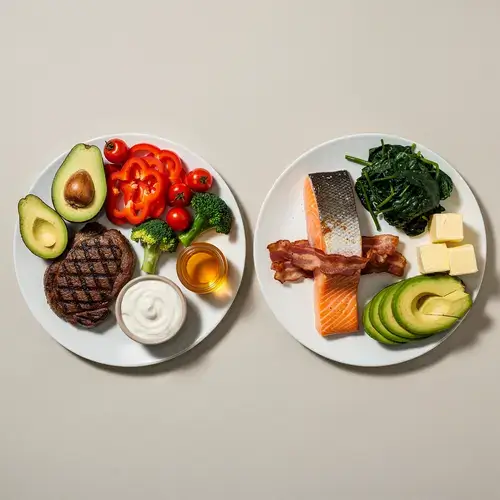
The primal diet draws from ancestral eating patterns but is less restrictive than strict paleo. Most notably, it allows certain dairy products—raw or fermented options like yogurt and aged cheese—provided you tolerate them. Paleo excludes all dairy entirely, sticking to foods hypothetically available before the agricultural revolution.
How each diet handles carbohydrates and sweeteners is another key divergence. The primal diet permits modest amounts of natural sweeteners like raw honey, while paleo tends to avoid added sugars more strictly. And unlike keto, the primal diet doesn’t require slashing carbs low enough to trigger ketosis. That makes it more workable for active people or anyone who enjoys a broader range of fruit and starchy vegetables.
What is the difference between keto and primal diet?
Keto requires very low carbohydrate intake to shift your body into fat-burning ketosis. The primal diet allows more carbs from fruit and starchy vegetables and doesn’t aim for ketosis. Primal also permits raw dairy and natural sweeteners—both of which are restricted on keto.
What really sets the primal diet apart, though, is its holistic lens. It’s not just about food—it also emphasizes natural movement, sleep quality, and stress management as part of a broader evolutionary health approach. For readers interested in the bigger picture, exploring healthy lifestyle guidelines or building habits for a healthy lifestyle fits naturally alongside the primal philosophy.
If you want flexibility with foods like dairy and natural sweeteners—and you’re drawn to a lifestyle-first approach rather than a rigid elimination plan—the primal diet is worth a serious look. Those with dairy sensitivities or a preference for stricter boundaries may find paleo a better match. And anyone after the specific metabolic effects of ketosis should explore keto—just know it demands considerably more discipline (Source: NCBI — Ketogenic Diet Review).
Addressing Common Criticisms and Closing Thoughts on the Primal Diet
Long-term benefits and risks sit at the center of most criticism aimed at the primal diet. Popular accounts often make bold claims about lasting metabolic health, sustained weight loss, and even disease prevention—but the research base doesn’t yet support those conclusions with confidence. Very few large-scale, long-duration randomized trials have evaluated primal or paleo-style eating against well-established dietary patterns. Most available studies are short-term or rely on self-reported food diaries, making it hard to isolate diet effects from other lifestyle factors or confirm sustainability over the years. Major public health institutions urge caution when drawing sweeping conclusions from this kind of preliminary evidence (Source: Harvard T.H. Chan School of Public Health).
Sustainability is another recurring concern. Dietitians frequently point out that elimination-style plans—particularly those cutting out entire food groups—are tough to maintain in real-world settings. They can lead to dietary relapse, reduced food variety, or nutrient gaps if not carefully managed (Source: NCBI — Paleo Diet: Balanced or Not?). Integrating any dietary philosophy flexibly, rather than adhering rigidly to a single template, tends to be both more realistic and more healthful over time.
It’s also worth separating genuine science from commercial noise. Some primal diet resources blend credible research with supplement promotions or unverified anecdotes. When evaluating information, look for sources written by registered dietitians, published in peer-reviewed journals, or issued by reputable health organizations. Treat any “one-size-fits-all” promise with healthy skepticism. For guidance on building evidence-based, sustainable habits, explore how to find a diet that works for you or review how to follow a proper diet for grounded, balanced principles.
The most honest way to think about the primal diet is as one useful tool among many—not a cure-all, and not right for everyone. Individual nutrition needs vary widely, and the best outcomes tend to come from applying research-backed principles with flexibility, not from following any single trend uncritically.