Sample 7‑ and 30‑Day Meal Charts for Women
Weight loss diet chart for female seekers—here’s your answer: these nutritionist-approved meal plans offer a flexible, real-food approach that fits your lifestyle, supports steady weight loss, and keeps you satisfied with balanced meals you’ll actually enjoy.
Disclosure: This article contains affiliate links. We may earn a commission at no extra cost to you.
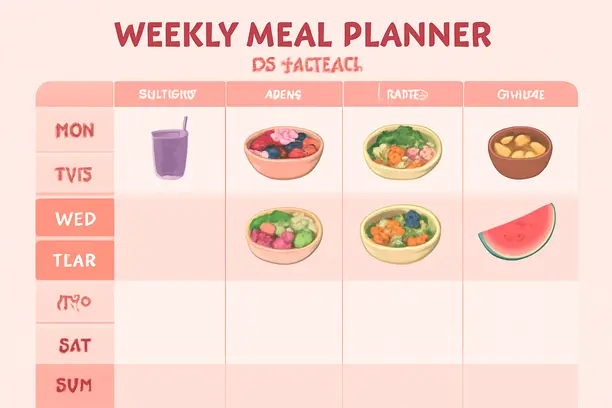
7-Day Sample Weight Loss Diet Chart for Women
This 7-day meal plan gives you balanced, nutrient-packed menus with built-in swap options. Whether you’re dealing with allergies, preferences, or just don’t love salmon, you’ve got flexibility.
It’s designed for most women targeting a mild to moderate calorie deficit, landing somewhere between 1350 and 1500 kcal per day. That range supports steady, sustainable weight loss without leaving you hangry by 3 PM.
- Day 1
Breakfast: Greek yogurt with berries and chia
Lunch: Grilled chicken salad with olive oil vinaigrette
Dinner: Baked salmon, quinoa, and steamed broccoli
Snack: Small apple
Daily swap: Yogurt swapped for unsweetened soy yogurt
Estimated calories: ~1400-1500 kcal
Why it works: Loaded with protein, fiber, and Omega-3s to keep you full and energized all day. - Day 2
Breakfast: Oatmeal with almonds and banana
Lunch: Chickpea and vegetable stir-fry
Dinner: Turkey lettuce wraps with avocado
Snack: Carrot sticks with hummus
Swap: Banana swapped for berries if you prefer them
Estimated calories: ~1350 kcal - Day 3
Breakfast: Boiled eggs with whole grain toast
Lunch: Vegetable soup with lentils
Dinner: Grilled shrimp, brown rice, and asparagus
Snack: Orange slices
Swap: Eggs swapped for tofu scramble
Estimated calories: ~1400-1500 kcal - Day 4
Breakfast: Cottage cheese with sliced peaches
Lunch: Quinoa tabbouleh with chickpeas
Dinner: Grilled chicken and vegetable skewers
Snack: Handful of nuts
Swap: Cottage cheese swapped for dairy-free yogurt
Estimated calories: ~1350-1450 kcal - Day 5
Breakfast: Sliced avocado with multigrain toast
Lunch: Lentil stew
Dinner: Baked cod, sweet potato mash, and green beans
Snack: Sliced cucumber
Swap: Cod swapped for tofu if you’re vegan
Estimated calories: ~1400 kcal - Day 6
Breakfast: Chia seed pudding with berries
Lunch: Turkey and spinach wrap
Dinner: Baked eggplant with tomatoes and chickpeas
Snack: Sliced apple
Swap: Turkey swapped for hummus
Estimated calories: ~1350 kcal - Day 7
Breakfast: Scrambled eggs with spinach and tomato
Lunch: Grilled vegetable and bean bowl
Dinner: Shrimp or tofu curry with brown rice
Snack: 10 almonds
Swap: Eggs swapped for vegan alternative
Estimated calories: ~1400 kcal
If there’s something you don’t like or can’t eat, swap it out for a similar-calorie protein or plant-based option. Just keep portion sizes consistent and steer clear of overly processed swaps.
Upping your veggie intake is an easy way to feel fuller without adding many calories. On days you hit the gym hard, feel free to add a small extra snack—around 100-150 kcal—to support recovery.
Looking for vegetarian or region-specific ideas? Check out our vegetarian Indian 7-day diet chart for culturally tailored meal plans.
For helpful motivation on your journey, this top-rated weight loss system offers additional meal plans, progress tracking, and community support.
30-Day Meal Breakdown: Weight Loss Chart for Female
If you want more structure and variety, this 30-day plan rotates weekly meal templates. You’ll stay within 1300–1500 kcal per day, depending on your activity level and body size.
Just remember: don’t dip below 1200 kcal without talking to a healthcare provider first. Your body needs fuel to function—and to lose fat sustainably.
- Week 1
Breakfasts: Greek yogurt parfait, vegetable omelet, oatmeal with nuts (rotated)
Lunches: Bean salad, grilled chicken wrap, lentil soup
Dinners: Baked fish with vegetables, turkey chili, quinoa with stir-fried tofu
Snacks: Fruits, raw vegetables, nuts, low-fat cheese
Adaptation tip: Swap proteins or ingredients freely based on allergies or what you’ve got in the fridge. - Week 2
Breakfasts: Overnight oats, cottage cheese with fruit, hard-boiled eggs
Lunches: Turkey salad, vegetable and bean soup, quinoa tabbouleh
Dinners: Chicken and roasted vegetables, shrimp stir fry, lentil dal
Snacks: Berry bowls, popcorn, dark chocolate squares
Adaptation tip: Increase veggie portions if you need extra fiber or want to feel more satisfied. - Week 3
Breakfasts: Chia pudding, veggie smoothie, scrambled eggs (rotated)
Lunches: Tofu stir fry, grilled chicken salad, minestrone soup
Dinners: Broiled salmon with greens, turkey-stuffed peppers, vegetable curry
Snacks: Mixed berries, Greek yogurt, seeds
Adaptation tip: Rotate carbs (brown rice, sweet potato, quinoa) to avoid boredom and support energy levels. - Week 4
Breakfasts: Avocado toast, protein shake, apple with almond butter (rotated)
Lunches: Lentil salad, chickpea wrap, grilled veggie bowl
Dinners: Baked cod with broccoli, turkey burger with roasted squash, tofu stir-fry
Snacks: Cottage cheese, fruit, nuts
Adaptation tip: Listen to hunger and fullness cues; adjust portions as needed, especially around menstruation.
Feel free to swap any meals between weeks or add your favorites from previous weeks for extra variety. The key is maintaining fiber, protein, and plenty of veggies on your plate.
Planning ahead is essential for success. Batch-cook grains and proteins a few times a week so healthy options are always available—even when you’re busy or tired.
If you travel, stock up on portable snacks like roasted chickpeas, nuts, and single-serve nut butter packs. For more travel and budget tips, browse our cheap healthy diet plan and quick low-carb dinners guides.
Need to get motivated? Try this science-backed weight loss tool to keep your diet, progress, and workouts on track.
Key Principles for a Female Weight Loss Diet
Weight loss isn’t about drastic restriction—it’s about small, consistent changes. Here’s how to get the most from your chart:
- Protein: Aim for a serving (around 20-30g) at each meal to support satiety and muscle maintenance.
- Fiber: Load up on vegetables and whole grains to stay full and support digestion.
- Healthy fats: Avocado, olive oil, nuts, and seeds help hormones and long-term health.
- Carbs are not the enemy: Choose high-fiber carbs and adjust portions based on your activity level and hunger.
- Hydration: Drink at least 8 cups of water daily. Herbal tea and sparkling water are great if you want variety.
Remember, periods and hormonal shifts can influence weight and cravings. Plan a little extra flexibility around your cycle—if you need a higher-calorie day, honor your hunger and resume your chart the next day.
Be mindful of non-hunger eating (like snacking from stress or boredom). Keep easy, healthy snacks visible—fruit, yogurt, or boiled eggs—while putting chips and candy out of sight.
Need inspiration for healthy meals at home? Explore our collection of healthy recipes to keep your plan delicious and easy to stick to.
How to Customize Your Weight Loss Diet Chart
No single weight loss diet chart for female individuals is perfect for everyone. What matters most is that your plan:
- Includes foods you genuinely like
- Accommodates your budget and cooking habits
- Is realistic for your schedule—batch-cooked or quick, as needed
- Leaves room for occasional treats and social events
If you have food allergies, intolerances, or prefer vegetarian/vegan meals, simply swap animal proteins for plant-based options like tofu, beans, or lentils. Many meals can also use dairy alternatives, depending on your preference.
On days you have less control over food (travel, work events), aim for simple strategies: fill your plate with vegetables first, add lean protein, and round out with a modest serving of carbs or healthy fats.
Want even more tailored guidance? The personalized meal planner can save you time and guesswork, adapting plans to fit your life.
Frequently Asked Questions: Weight Loss Diet Chart for Female
How much weight can a woman realistically lose per week?
Most experts recommend a steady weight loss of 0.5 to 1 kg (1–2 pounds) per week for women. This pace is linked to better long-term results and less muscle loss, especially when supporting your diet with regular movement and enough protein.
How do I avoid feeling hungry on a diet?
Focus on meals with plenty of protein, fiber, and water-rich foods (like veggies and fruit). Drink water regularly, don’t skip meals, and include smart snacks if needed. If you’re constantly hungry, you may need a small increase in healthy calories or a better balance of food groups.
Do I have to count every calorie?
Tracking can help at first, but it’s not mandatory. Instead, use your hand as a portion guide: a palm-sized protein, a fist of carbs, two handfuls of veggies, and a thumb of fat at most meals. Adjust based on your hunger, fullness, and results over time.
If you’d like an easy digital tool to help track your meals and progress, check out our recommended weight loss planner.