

Comparing approaches: diet, exercise, HRT, and medications
Weight loss in menopause is a unique challenge, but with the right approach, it is possible to manage midlife pounds and feel good—without extreme restrictions or giving up foods you love.

Disclosure: This article contains affiliate links. We may earn a commission at no extra cost to you.
There’s no one-size-fits-all solution for managing weight during menopause. But understanding your main options—diet, exercise, hormone replacement therapy (HRT), and medications—gives you the building blocks to create a personal plan that really works.
Each approach has its own strengths, limitations, and best-case uses. Let’s break them down.
Diet: The Foundation for Most
For most women, adjusting what you eat becomes the cornerstone of weight control during midlife. The goal isn’t perfection—it’s about finding foods that keep you full, nourish your body, and don’t leave you feeling deprived.
That means emphasizing nutrient-dense choices: plenty of fiber, lean proteins, and healthy fats. These help you feel satisfied without loading up on empty calories. The Mediterranean diet comes up again and again in research because it reduces processed foods, supports heart health, and still tastes good.
Sustainability matters more than anything. Extreme or fad diets might show quick results, but they often backfire once you go back to normal eating. Many women find that having a collection of easy, healthy recipes and a simple meal plan makes all the difference—no deprivation required.
For structured support, programs like a 30-day Mediterranean diet challenge offer clear, flexible guidance with daily meals mapped out. It takes the guesswork out of your week.
If you’re looking for a simple, step-by-step way to eat well and lose weight—without feeling restricted or spending hours in the kitchen—a Mediterranean diet plan designed specifically for women in midlife might be exactly what you need.
Try a 30-day Mediterranean meal plan
Exercise: Crucial for Body Composition and Health
Regular physical activity helps you preserve lean muscle, supports your metabolism, and lifts your mood during menopause—even if it doesn’t always show up on the scale right away.
The best approach? A mix of resistance training (to maintain muscle mass and bone density) and aerobic activities (for calorie burn and heart health). You don’t need marathon gym sessions, either. Short, efficient routines—think strength circuits or brisk walks—often deliver great results without eating up your day.
If you’re dealing with joint pain or low motivation, low-impact options like swimming, cycling, or yoga are just as effective and far easier to stick with.
Beyond the scale, exercise helps with hot flashes, sleep quality, and stress. While physical activity alone rarely produces major weight loss, pairing it consistently with a solid diet significantly improves your outcomes.
Hormone Therapy (HRT): When It’s Worth Considering
HRT primarily tackles menopause symptoms like hot flashes and night sweats. When it comes to weight loss, the effects are modest at best.
It may help reduce the tendency for fat to settle around your midsection, but it’s not a primary solution for dropping pounds. HRT makes the most sense for women who need symptom relief early in menopause and don’t have any medical reasons to avoid it.
If weight loss is your main goal and you’re not dealing with severe menopause symptoms, HRT probably isn’t the first tool you’d reach for. But it can be part of a broader plan when symptoms are interfering with your quality of life.
Medications: Newer, Targeted Tools
Prescription weight-loss medications—including GLP-1 receptor agonists like semaglutide and tirzepatide—have become game-changers for women who’ve struggled with obesity or metabolic syndrome even after making lifestyle changes.
These medications help control appetite and can lead to significant weight loss, often around 10–15% of your starting weight. That’s a meaningful shift, especially when paired with healthier eating.
But they’re not without downsides. Side effects can be uncomfortable, costs add up, and you’ll need ongoing supervision from a specialist. Medications are typically most appropriate when your BMI is over 30, or over 27 if you also have weight-related health conditions like diabetes or high blood pressure.
Learn about medically-guided weight loss programs
Combining Approaches and Knowing When to Seek Help
More often than not, the most successful strategy blends multiple methods. Diet and exercise work better together. Medications or HRT might come into play if progress stalls or if symptoms are pronounced.
It’s worth seeking professional support if weight issues are seriously impacting your quality of life, or if lifestyle efforts haven’t moved the needle after several months of consistent work.
Structured programs—like a step-by-step Mediterranean diet plan with daily meals and built-in community support—can make a huge difference in staying consistent. At the end of the day, sustainable, individualized plans that balance your preferences, symptoms, and health conditions tend to deliver the best long-term results.
Medical treatments: HRT, GLP‑1s, tirzepatide, and other drugs
Medical treatments for menopausal weight loss aren’t one-size-fits-all. They need to be tailored to each woman’s symptoms, medical history, and personal goals.
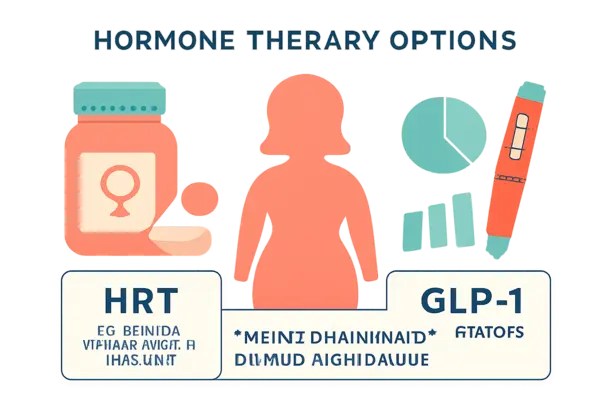
The main categories include hormone replacement therapy (HRT), prescription weight-loss drugs like GLP‑1 receptor agonists and tirzepatide, and other pharmacological options used more selectively.
HRT: When Symptom Relief May Support Weight Management
HRT primarily targets menopause symptoms like hot flashes, night sweats, and sleep disturbances. It’s not designed to induce weight loss directly.
That said, it can help lessen the shift toward abdominal fat that often happens during menopause. It may also improve energy levels and mood, which can make it easier to stay active and make healthier choices.
Ideal candidates are women under 60 or within ten years of menopause onset who are dealing with bothersome vasomotor symptoms and don’t have contraindications—like hormone-sensitive cancers or uncontrolled hypertension.
HRT does carry some risks. These include increased chances of blood clots and, with extended use beyond five years, a potential uptick in breast cancer risk. If weight loss is your primary concern and you’re not struggling with classic menopausal symptoms, other medications are usually a better fit.
GLP‑1 Agonists and Tirzepatide: Who Should Consider These Medications?
GLP‑1 receptor agonists (like semaglutide and liraglutide) and tirzepatide have genuinely transformed postmenopausal weight management in recent years.
They’re recommended for people with a BMI of 30 or higher, or 27 or higher if you also have at least one weight-related health issue—like type 2 diabetes, high blood pressure, or sleep apnea—especially when lifestyle changes haven’t been enough on their own.
These drugs work by suppressing appetite and slowing digestion. They often lead to 10–15% weight loss, and they can improve blood sugar control and cholesterol levels as a bonus.
But they’re not for everyone. Contraindications include a history of medullary thyroid carcinoma, pancreatitis, and certain gastrointestinal disorders. Side effects like nausea and constipation are common, especially early on.
Starting these medications requires input from a specialist—typically an endocrinologist or obesity medicine physician—and regular follow-up to monitor progress and side effects. Most people experience the most rapid weight loss in the first four to six months, with slower changes after that.
If you’re considering this option, make sure you have a comprehensive plan for lifestyle support, since good nutrition and physical activity continue to play central roles in long-term health and maintenance.
See which weight loss medications may be right for you
Other Pharmacological Treatments
In certain cases, other drugs such as bupropion/naltrexone or phentermine/topiramate may be considered for weight management. These medications come with their own risk profiles and are typically prescribed when more established strategies haven’t produced results.
Every medication has side effects and contraindications; regular medical supervision is a must. Lifestyle changes should remain the foundation even if pharmacological tools are used.
Mini-FAQ: Weight Loss in Menopause Medical Treatments
Is HRT safe for everyone during menopause?
No, HRT is not safe for everyone. Women with a history of hormone-sensitive cancers, blood clots, or uncontrolled hypertension often should not use HRT. Always discuss your risk factors with a healthcare provider before starting any hormone therapy.
How quickly do GLP‑1 agonists and tirzepatide work?
Most women notice changes in appetite within the first few weeks, and weight loss typically becomes evident after the first month. The greatest amount of weight lost usually occurs in the first four to six months, followed by a slower rate of loss.
Can medications replace diet and exercise for weight loss during menopause?
No. While medications can be a powerful tool, especially for women with obesity or metabolic health issues, they work best when paired with healthy eating and regular physical activity for sustained results.