Complete exercise entries: benefits, variations, and safety
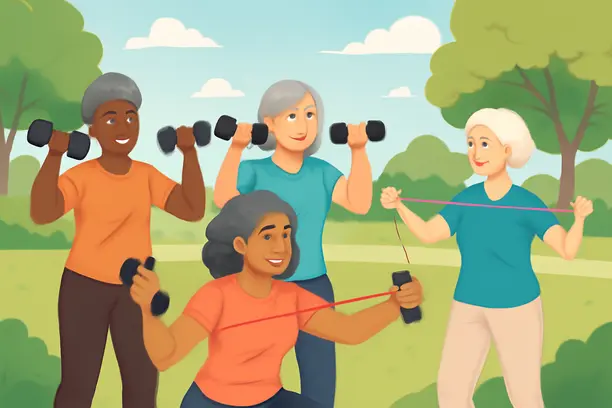
Weight workout for women over 50 is your key to building strength, boosting confidence, and staying independent—all without risking your joints or exhausting yourself. This approach keeps you active and healthy while fitting comfortably into a busy life.
Disclosure: This article contains affiliate links. We may earn a commission at no extra cost to you.
Strength exercises tailored for women over 50 are essential for maintaining muscle, balance, and independence. Each movement targets key muscle groups and offers variations to accommodate different fitness levels and health considerations.
Upper Body: Seated or Standing Shoulder Press
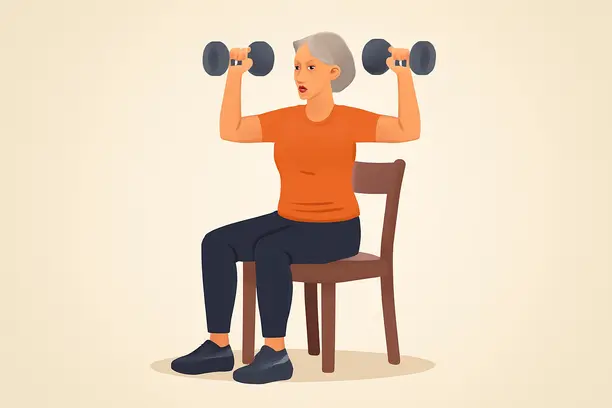
The shoulder press strengthens the deltoids, triceps, and upper back, which supports everyday activities like lifting groceries or reaching overhead.
Building shoulder strength also improves posture and functional independence.
- Standard Version: Sit or stand with feet hip-width apart. Hold light dumbbells at shoulder height, palms forward. Exhale as you press weights upward without locking elbows. Inhale as you lower the weights.
- Easier Option: Use water bottles or perform with arms only. Sitting provides extra balance support.
- Harder Upgrade: Alternate arms or use moderately heavier weights. Standing on one leg adds a balance challenge.
- Form Check: Keep wrists neutral and core engaged; avoid arching the lower back.
- Breathing: Exhale while pressing up; inhale lowering down.
- Safety: Those with osteoporosis should use caution with overhead weights, choosing manageable resistance and controlled movements. Individuals with hypertension should avoid breath-holding and heavy loads. Source: CDC
Lower Body: Sit-to-Stand (Chair Squat)
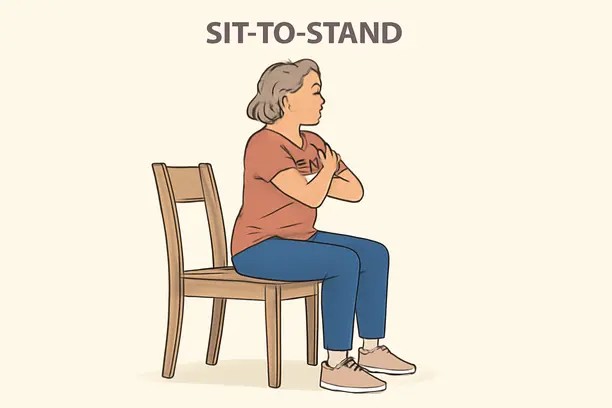
This exercise targets the quadriceps, glutes, and hamstrings, replicating the common movement of standing up from a chair—critical for mobility and independence.
- Standard Version: Sit tall on a sturdy chair with feet flat and hip-width apart. Cross arms over chest or hold them lightly in front. Lean forward at the hips and stand up, exhaling with effort. Inhale as you lower slowly back to the chair.
- Easier Option: Use a higher chair or cushion. Place hands gently on knees for support.
- Harder Upgrade: Pause for 2 seconds at the bottom, add pulses before standing, attempt single-leg sit-to-stands, or hold light weights.
- Form Check: Press through the heels, keep knees aligned with toes, and avoid rounding shoulders forward.
- Breathing: Exhale when rising, inhale when sitting down.
- Safety: For osteoarthritis or knee pain, reduce range of motion and avoid deep squats to protect fragile joints. Source: NHS UK
Core Stability: Standing March or Seated Knee Lift
Marching either standing or seated strengthens hip flexors while engaging the core and improving balance—vital for fall prevention in older adults.
These low-impact options are easily modifiable to suit your current fitness level.
- Standard Version: Stand tall and alternate lifting each knee toward hip height, swinging the opposite arm. Perform seated marches if unsteady.
- Easier Option: Lift knees lower and move slowly. Use the back of a chair for support.
- Harder Upgrade: Add a twist by touching the opposite elbow to the knee or increase pace for gentle cardio benefits.
- Form Check: Engage the core and keep shoulders relaxed away from ears.
- Breathing: Exhale lifting the knee; inhale lowering it.
- Safety: Avoid twisting if you have spinal osteoporosis or balance difficulties. Be cautious if dizziness or blood pressure drops occur.
Back and Posture: Wall Slides
Wall slides strengthen upper back and postural muscles to counteract rounded shoulders and improve shoulder mobility.
They’re particularly helpful for alleviating stiffness common with prolonged sitting or screen use.
- Standard Version: Stand with heels, back, and arms against a wall. Bend elbows to 90 degrees, like a goalpost. Slide arms upward as far as comfortable, then lower.
- Easier Option: Stand further from the wall or keep elbows lower.
- Harder Upgrade: Pause briefly at the top or hold light weights in hands.
- Form Check: Maintain head contact with the wall (tuck chin), avoid rib flare.
- Breathing: Exhale reaching up; inhale returning down.
- Safety: Avoid excessive arching, especially if osteoporotic. Stop if you experience tingling or shoulder impingement. Source: Arthritis Foundation
Ageless Bonus: Follow-Along Routines and Daily Motivation
Consistency is key, especially after 50. Even brief, realistic routines of about seven minutes done regularly can yield results.
For motivation tips to help you get moving, refer to the strategies outlined in our motivation guide.
If you prefer expert-led routines that require minimal equipment and time, the 7-Minute Ageless Body Secret offers efficient, joint-friendly exercises designed specifically for women over 50.
Programming & progression: sets, reps, tempo, and weekly plans
Building a weight workout for women over 50 doesn’t have to mean hours in the gym or complicated routines.
With the right structure, you can see steady progress and feel stronger each week.
Essential Programming Principles: Structure for Steady Results
Here’s how to tailor your training based on where you’re starting:
- Beginners: 2 sets of 10–12 reps per exercise at a moderate tempo (2 seconds up, 2 seconds down), resting 60–75 seconds between sets.
- Intermediate: 3 sets of 8–10 reps with slower lowering (3 seconds down) and faster lifting (1–2 seconds up). Rest 60 seconds.
- Advanced: 3–4 sets of 6–8 reps using a 3-1-1 tempo (3 seconds down, 1 second pause, 1 second up), resting 45–60 seconds for added challenge.
Prioritize quality movement and proper form over heavy weights to preserve muscle and joint health.
Programs like the 7-Minute Ageless Body Secret are built with all ability levels in mind so you can grow at your own pace.
Weekly Schedule: Consistency Without Overwhelm
- Begin with 2–3 sessions a week, allowing at least one rest day between.
- Include one or two sets of each main exercise: shoulder press, chair squat, standing march or knee lift, and wall slides.
- After 2–3 weeks, add a third set or increase weight/repetitions slightly for continued progress.
- Supplement with daily activity—short walks or stretching—to maximize overall health benefits.
Listen to your body. If you feel pain (not just normal muscle fatigue), take an extra rest day or decrease the intensity. You can repeat a workout plan for several weeks before changing up the exercises for variety. If you’re just building the routine, small steps really do add up to lasting results.
Don’t forget to celebrate small wins; consistency is more powerful than perfection.
If you’re craving more guidance, you can follow this proven full-body plan with video instruction to ensure safe and effective progression at home.
Tips to Maintain Motivation as You Progress
- Schedule your workouts—calendar reminders help with accountability.
- Work out with a friend or join an online community for support and new ideas.
- Track your reps, sets, and energy levels in a notebook to celebrate progress.
- On difficult days, modify exercises and focus on gentle movement—it still counts.
For more advice on sticking with healthy habits, check out our article here.
Recovery, aging, and why muscle matters after menopause
Women over 50 experience physiological changes that make strength training vital, yet recovery becomes more important than ever.
Muscle mass naturally decreases with age, but regular weight workouts slow this process, help boost metabolism, and promote better balance, mobility, and bone health.
Strength training can also help offset common risks like osteoporosis, insulin resistance, and age-related muscle loss (sarcopenia). By maintaining muscle, women support joint stability, posture, and functional independence.
- Enhanced bone density: Lifting weights builds stronger bones, reducing fracture risk.
- Metabolic support: More muscle burns more calories at rest, making weight management easier.
- Better mood and brain health: Exercise stimulates endorphins and supports mental clarity, focus, and emotional resilience.
- Pain management: Gentle strength exercises can alleviate joint pain and support injury recovery.
Recovery strategies are particularly essential after 50:
- Allow at least 48 hours between strength sessions for full recovery.
- Prioritize quality sleep and moderate daily movement (like walking or stretching) to reduce muscle soreness.
- Incorporate gentle foam rolling or massage for relief after workouts.
- Hydrate and fuel yourself with balanced meals high in protein for muscle repair.
For more energetic days, adding low-impact cardio like brisk walks or cycling can keep the heart healthy without overtaxing joints. You might also want to try mobility exercises, yoga, or tai chi for flexibility and stress reduction.
If you feel unusually sore or fatigued, listen to your body—err on the side of rest or lighter movement to prevent injury and support long-term results.
For inspiration to maintain your workout streak and tips for active recovery, read our guide here.
Looking for a joint-friendly full-body plan? Try the 7-Minute Ageless Body Secret and experience impressive results at any age.
FAQ: Your Questions About Strength Training After 50
How often should I do a weight workout if I’m over 50?
Most women over 50 benefit from 2–3 strength sessions per week. This schedule gives muscles enough recovery time and supports steady gains in strength and stamina.
Is it too late to start strength training after menopause?
It is never too late. Starting weight workouts at any age provides benefits for bone health, metabolism, and daily function. With modifications as needed, you can become stronger and more confident even if you’ve never lifted weights before.
What kind of weights or equipment do I need?
Begin with light dumbbells, resistance bands, or even canned goods and water bottles. The main focus is on proper form, balance, and progressing gradually rather than lifting heavy weights right away.