

Mechanisms and evidence: how whole foods influence weight loss
Whole foods for weight loss make weight control achievable and sustainable because these natural foods fill you up, curb cravings, and boost metabolism without the need for strict calorie counting. By focusing on foods in their most natural form, you can lose weight and feel satisfied, enjoying long-term results and better overall health.
Disclosure: This article contains affiliate links. We may earn a commission at no extra cost to you.
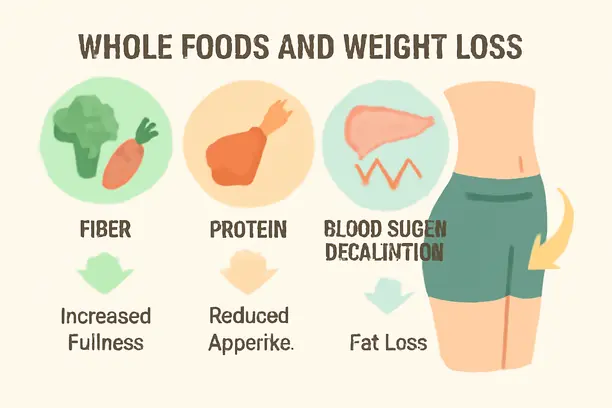
Whole foods shape your body’s metabolism and appetite in ways processed foods simply can’t. It comes down to the combined effects of fiber, protein, and micronutrients that regulate hunger and how you burn energy.
Understanding these mechanisms clarifies why minimally processed diets consistently outperform fad diets for sustainable weight management and improved metabolic health.
The science behind whole foods and weight loss
Whole foods promote weight loss by leveraging natural synergy between their components—optimizing satiety, blood sugar stability, and gut health in the process.
Key biological mechanisms
- Fiber and Satiety: High fiber from fruits, vegetables, legumes, and whole grains slows digestion, increasing fullness and reducing calorie intake. Controlled trials confirm higher fiber diets lead to greater satiety compared to low-fiber counterparts Source: CDC.
- Blood Sugar Regulation: Complex carbohydrates in whole foods digest slowly, causing lower glycemic responses. This stability curbs hunger hormones and unplanned snacking, supporting better insulin sensitivity and weight control Source: NCBI.
- Protein’s Role: Proteins from whole foods like fish, legumes, eggs, and lean meats increase satiety and elevate the thermic effect of food—meaning you burn more calories digesting them than fats or carbs. This aids fat loss and preserves lean muscle Source: Harvard School of Public Health.
- Gut Microbiota Changes: Fiber and plant polyphenols nourish beneficial gut bacteria, improving metabolism, satiety signaling, and possibly reducing fat storage over time.
Consistent, varied intake of unrefined whole foods strengthens these benefits. You create a “virtuous cycle” that makes sustaining healthy habits feel less like work—and more like second nature.
Outcomes: Evidence and weight loss results
- Whole-food plant-based: 4–7 kg (≈9–15 lbs) in 6–12 months. Produces consistent fat loss without calorie counting; improves cholesterol and blood pressure.
- Mediterranean: 4–10 kg (≈9–22 lbs) in 6–12 months. Comparable or superior to low-fat diets; supports cardiometabolic health and long-term adherence.
- Omnivorous minimally processed: 2–8 kg (≈4–18 lbs) in 6–12 months. Variable results depending on emphasis on plant foods and portion control; less consistent metabolic benefits if high in animal fats.
These averages come from pooled clinical data as of early 2024. Keep in mind, individual results can vary beyond research settings Source: JAMA.
How whole-food diet patterns compare for health & weight
Whole-food-centered diets—including plant-based, Mediterranean, and quality-focused omnivorous patterns—promote weight loss when they prioritize minimally processed foods.
Plant-based and Mediterranean diets often excel due to better fat loss, appetite control, and metabolic improvements. The Mediterranean diet, in particular, strikes a balance of strong short-term results and ease of social adaptation.
Omnivorous diets can succeed with high plant food inclusion, but outcomes vary more widely based on food quality and portion management.
For a practical Mediterranean approach that’s realistic and effective for weight loss, consider this 30-Day Mediterranean Diet Challenge. It provides a full meal plan, recipes, and support to help you get started with confidence.
Explore other tested plans like our healthy family meal ideas or a vegan diet plan for quick weight loss to harness whole foods for metabolic health and fat loss.
If you want more ideas on how to incorporate whole foods easily, browse our curated list of healthy meals to make at home or find inspiration from these plant-based recipes to keep your menu interesting and satisfying.
Want to accelerate your progress without overcomplicating your meals? Check out the Mediterranean Meal Plan Toolkit for new shopping guides and bonus motivation tools.
Safety, contraindications, and nutrient risks to monitor
Who Needs Extra Medical Oversight?
Most people can safely shift to a whole foods weight loss plan. But some groups should check with a healthcare provider first. Individuals with health conditions or special circumstances require tailored guidance to ensure adequacy and safety.

If you’re on diabetes medications, pregnant or breastfeeding, have digestive conditions, or a history of disordered eating, personalized guidance is essential.
- People on diabetes medications: Shifts in carbohydrate and fiber intake alter blood sugar control, potentially requiring medication adjustments to avoid hypoglycemia—especially with insulin or sulfonylureas. Careful monitoring and lab tests are essential during transitions Source: National Institute of Diabetes and Digestive and Kidney Diseases.
- Pregnant or breastfeeding individuals: Nutrient needs increase, and restrictive diets may cause deficiencies in iron, B12, and DHA. Personalized guidance ensures both mother and infant’s health Source: CDC.
- People with digestive disorders or absorption problems: Conditions like celiac disease, inflammatory bowel disease, pancreatic insufficiency, or history of bariatric surgery affect nutrient processing. Dietary changes should be supervised clinically.
- Those with or recovering from disordered eating: Restrictive whole-foods diets can trigger relapse or worsen fixation. Professional support remains essential in recovery.
Nutrients to Monitor With Restrictive or Plant-Forward Eating
Even with nutrient-dense whole foods, cutting calories or eliminating food groups can increase the risk of deficiencies.
Here are the key nutrients to watch:
- Vitamin B12: Found mainly in animal products; supplementation and periodic status checks are important for those on plant-forward diets to avoid anemia and neurological issues.
- Iron: Plant sources contain non-heme iron, less well absorbed than heme iron from meat. Pair with vitamin C for better absorption and monitor ferritin levels.
- Iodine: Dairy and seafood reduction can lower iodine intake; iodized salt or supplements may be necessary.
- Calcium: Dairy alternatives may not be fully fortified; insufficient calcium can impair bone health over time.
- DHA/EPA (Omega-3 fatty acids): Critical for brain and heart health; algae-based supplements are recommended if avoiding fatty fish.