
Which soups are suitable for full-liquid and bariatric diets
Soup for liquid diet is a key choice when you’re facing a liquid diet—whether for recovery, surgery, or a medical plan. You’ll want soups that actually satisfy your hunger and support your healing, without risking setbacks. The right soup is crucial for safety and nutrition during each stage.
Disclosure: This article contains affiliate links. We may earn a commission at no extra cost to you.
When you’re managing a soup for liquid diet—especially after surgery or on a medical prescription—choosing the right soup matters more than you might think. Not all puréed soups make the cut; full-liquid and bariatric-appropriate soups must meet strict texture and nutrient standards to keep you safe and on track.
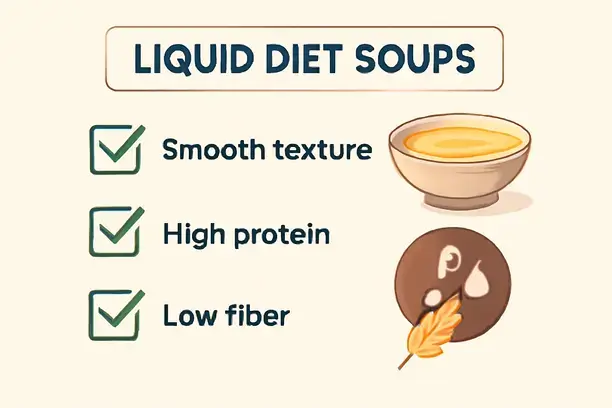
A true full-liquid soup is completely smooth, with no visible particles, pulp, or fibers. It should pour easily from a spoon while still delivering satiety and essential nutrients. Unlike clear broths (which are transparent liquids), full-liquid soups are often thicker but remain free of chunks or tough bits to protect your healing stomach lining, especially right after bariatric surgery (American Society for Metabolic and Bariatric Surgery).
Checklist: Is Your Soup Ready for Your Diet Phase?
- Clear-liquid phase: Only transparent broths, strained consommés, and electrolyte drinks. No dairy, cream, or solids.
- Full-liquid phase: Silky-smooth, pourable soups with no tongue residue. Think strained creamy soups, milk-based broths, and double-strained vegetable blends.
- Bariatric and medical diets: Prioritize protein (60–80g/day), keep fat and sugar moderate, and avoid seeds, chunks, or fibrous bits. Thinning and straining recipes is often required.
Your soups must pass through fine-mesh sieves leaving no grit, and you’ll need to modify recipes that contain starch, cheese, or nuts—ingredients best avoided in those early recovery weeks.
How to Adapt Soup Recipes for Each Diet Phase
Many delicious, nutrient-dense soups can be tweaked to support your recovery and diet goals. Here are some common examples:
- Blended chicken or turkey soup: Double-blend with broth, then strain to remove fibers. You’ll get roughly 120 calories and 12–16g protein per serving. Add unflavored protein powder to bump up the protein even more.
- Creamy vegetable soups (carrot, pumpkin, squash): Use low-fat or non-dairy milk and strain thoroughly. Calories typically range 90–130 per serving; protein is low unless you supplement it.
- Bone broth with collagen: Works for both clear- and full-liquid phases if strained. You’re looking at 6–12g protein per cup with minimal fat or carbs. Collagen peptides can boost protein content even further (BariatricPal).
- Lentil or split pea soup: Puree and strain twice to remove fiber. It’s suitable in later bariatric stages with broth thinning. Provides around 80–100 calories and 6–8g protein per serving.
- Cream of chicken or mushroom: Use low-fat milk or soy-based creamers, blend and strain. You’ll get approximately 100–120 calories and 10–12g protein if fortified.
To simplify this process, the 14-Day Rapid Soup Diet provides chef-designed, protein-forward soups labeled by bariatric phase, eliminating guesswork and supporting your recovery and nutrition goals.
Quick Comparison Panel: What to Watch Per Serving
- Calories: Aim for 80–150 per serving to nourish without overfilling your post-op stomach.
- Protein: Target 10–18g per serving; supplement with unflavored whey or collagen if needed.
- Texture adaptability: Thin soups with broth or milk and strain thoroughly to meet phase-specific requirements.
These criteria guide safe progression through clear-liquid, full-liquid, and soft-food phases while preserving comfort and healing. Always consult your medical team before modifying any phase.
Nutrition and protein: standardized panels and swaps for special diets
Success on a liquid diet comes down to precise nutrition. That’s why every recipe here features a clear, standardized nutrition panel detailing calories, protein, macros, sodium, and fiber per serving. This transparency removes guesswork and helps you meet your dietary goals safely.

Standardized information lets you easily compare soups and track your intake for medical conditions like diabetes or post-bariatric recovery. It also makes communication with healthcare providers smoother when they need exact nutrition data to monitor your progress.
Smart Swaps: Building Soup for Your Diet and Goals
- Low-sodium swaps: Reach for unsalted broth, fresh herbs, and a squeeze of lemon juice to lower sodium without sacrificing flavor. Skip store-bought broths heavy in salt unless they’re labeled “no salt added.”
- Diabetes-friendly options: Swap full-fat dairy with plain, unsweetened Greek yogurt or silken tofu for creaminess minus blood sugar spikes. Stick with non-starchy vegetables and avoid starchy thickeners like potatoes.
- Protein boosters: Bump up protein by stirring in unflavored whey or collagen powder (adds 15–20g per cup). Or replace part of the broth with bone broth for extra protein.
The 14-Day Rapid Soup Diet offers fully structured daily recipes and swap guides to maximize nutrition without the guesswork.
How to Customize Protein: A Simple Formula
Your protein needs vary post-surgery or during recovery. Aim for 15–25g protein per soup serving and supplement as needed:
- 1 scoop unflavored protein powder: +18–22g protein
- ½ cup blended cooked legumes: +7–9g protein
- ¾ cup skim or fortified soy milk: +7g protein
- 2 tablespoons powdered milk: +5g protein
Balance these additions with fiber-rich or unsweetened plant-based ingredients to prevent glucose spikes and promote well-rounded nutrition (American Diabetes Association).
Serving Sizes and Consistency
Serving sizes are consistently measured (usually 1 cup/240mL) to help you control calories and protein intake. Adjusting soup thickness by varying broth or puree ratios directly affects nutrition, so serving notes specify these options.
Accurate portion control benefits those in post-bariatric stages or needing strict metabolic management (CDC Nutrition Guidelines).
Consistency Across Recipes—and Why That Helps You
Uniform nutrition layouts and protein-boosting suggestions across recipes let you swap meals effortlessly. If you switch a tomato-based soup for a high-protein broccoli variant, you can instantly gauge the macro impact without extra math.
The Rapid Soup Diet 14-day program offers comprehensive meal plans with shopping lists and precise protein targets, ideal for busy folks or anyone wanting reliable structure.
For additional nutrition balancing tips, check out our guide on how to eat with macros for balanced living.
Safe blending of hot purees and basic food-safety rules
Blending hot soups, especially for liquid diets, requires care to avoid dangerous steam explosions and scalding splashes. Using the right safety tips ensures your purees are smooth and safe.
- Cool slightly: Let soups rest uncovered for 5–10 minutes after cooking to lower internal pressure.
- Vent your blender: Remove the center lid plug and cover loosely with a kitchen towel to let steam escape safely.
- Small batches: Fill the blender halfway to prevent overflow and reduce pressure build-up.
- Immersion blending: When possible, puree directly in the pot to eliminate hot transfers and risk.
These methods apply across hearty vegetable soups, broths, and purely blended recipes designed for easy digestion.
Practical Food Safety After Blending
Safe handling after blending extends your soup’s freshness and reduces risk:
- Rapid cooling: Use shallow containers and refrigerate within two hours.
- Proper reheating: Warm only the needed portion to at least 74°C (165°F), especially if it contains meat or dairy.
- Storage: Refrigerate for 3–4 days labeled with dates, or freeze up to three months.
- Thawing: Thaw frozen soups overnight in the fridge to preserve texture.
Following these precautions protects your health and preserves flavor. The USDA provides detailed guidance on safe food handling (USDA Food Safety).
Troubleshooting Pureed Soup: Texture, Thickness, and Flavor
Common texture challenges have easy fixes:
- Foaminess: Blend briefly, then strain through a sieve to remove excess air bubbles.
- Too thin: Reduce liquid by simmering or thicken with instant mashed potatoes or cooked rice.
- Too thick: Thin with warm stock, milk, or water until smooth and pourable.
- Blah flavor: Adjust salt, add acidity (lemon/lime), or fresh herbs to brighten taste before serving.
Explore comprehensive recipes tailored for dietary needs in our specialized soup collection.
Checklist for Every Soup for Liquid Diet
- Let hot liquids cool 5–10 minutes before blending.
- Don’t seal the blender lid fully—vent for steam to escape.
- Blend small batches, filling the blender no more than halfway.
- Use an immersion blender when possible.
- Chill soups in shallow containers within two hours; refrigerate for up to 4 days.
- Label containers with prep date; freeze for longer storage.
- Reheat individual portions thoroughly before eating.
- Fix texture or flavor issues with blending, thinning, or seasoning adjustments.
Following these simple habits builds safety and quality into every liquid diet soup you prepare.
For a convenient, professionally designed soup meal plan emphasizing safety and flavor, preview the 14-Day Rapid Soup Diet system. For more kitchen and troubleshooting tips plus done-for-you menus, consider downloading the Rapid Soup Detox.
Bariatric phases explained and how to modify recipes per phase
Bariatric surgery recovery follows staged diet phases designed to protect healing and ensure adequate nutrition.
- Phase 1: Clear Liquids (1–3 days) – Only transparent, non-acidic fluids like strained broth and sugar-free drinks, with no solids or dairy.
- Phase 2: Full Liquids (Days 3–10+) – Incorporates strained, smooth dairy and protein drinks, plus blended soups that flow easily.
- Phase 3: Pureed/Soft Foods (Weeks 2–4+) – Allows smooth purees resembling baby food; lean proteins, soft veggies, and creamy soups are included if blended enough.
Progression timing varies individually; always follow your surgical team’s recommendations (American Society for Metabolic and Bariatric Surgery). Even after solid foods resume, gentle soups often remain diet staples.
How to Modify Soups for Each Phase
- Clear Liquids: Use only strained, sodium-reduced broths or consommés without solids, fats, or thickening agents.
- Full Liquids: Blend fully cooked ingredients and strain all fiber. Add skim milk, protein shakes, or unflavored protein powder, but skip textured add-ins like pasta.
- Pureed/Soft: Puree lean meats, soft vegetables, and legumes completely. Thin with broth or milk as needed. Avoid spicy, acidic, fatty, or fibrous foods at first.
Check recipes carefully for compatible ingredients. For example, cheese should be melted and fully blended before use; nuts, seeds, and whole grains are off-limits early on (UCLA Health Bariatric Guide).
Ingredient Do’s and Don’ts by Phase
- Clear Liquids: Transparent broths, sugar-free gelatin, and electrolytes only. No dairy or protein powders.
- Full Liquids: Smooth, low-fiber protein shakes, skim milk, and strained dairy allowed. Avoid pulp, added sugars, and thickening agents.
- Pureed/Soft: Smooth lean protein purees, soft cooked vegetables without skins or seeds, and low-fat dairy permitted. Avoid spices, raw vegetables, alcohol, and fibrous or stringy foods.
Safety Warnings: Progress Slowly and Monitor Symptoms
Recovery differs per individual. Always consult your bariatric dietitian or surgeon before introducing new foods or advancing phases. Symptoms like pain, nausea, or vomiting signal a need to pause or return to an earlier phase (Cleveland Clinic).
The 14-Day Rapid Soup Diet includes phase-specific recipes and guidance tailored for safe, effective bariatric recovery and rapid weight loss.
Consider expanding your meal ideas with nutrient-rich, phase-appropriate soups in our in-depth soup diet guide.
Authoritativeness: bylines, expert review, and moderating user advice
Trust in soup recipes designed for medical or bariatric diets requires transparent expertise. Every medically adapted or post-op recipe includes bylines listing the author’s qualifications, such as registered dietitian or clinical specialist.
Additionally, recipes undergo independent expert review, clearly noted alongside publication dates and edit logs. This dual-authorship ensures you’re getting up-to-date, evidence-based guidance tailored to your health needs.
User comments or alternative suggestions on recipes are distinctly labeled as community tips. Any advice that ventures into clinical territory is flagged and supplemented by expert moderator responses, separating validated medical guidance from well-meaning anecdotal input.
This level of editorial rigor mirrors best practices on credible medical recipe platforms and reassures you that you’re following safe, reliable instructions (Academy of Nutrition and Dietetics).
For structured, expert-led meal plans with video tutorials and professionally vetted recipes, the 14-Day Rapid Soup Diet program is an excellent resource to gain confidence in your liquid diet journey.
For broader healthy meal ideas post-liquid phase, visit our collection of healthy at-home meals, thoughtfully curated for balanced nutrition.
Transparent authorship and expert moderation raise instructional standards while welcoming community insights rooted in evidence-based practice.