
Reading labels: choose keto-friendly store-bought soups
Keto-friendly soups to buy can make sticking to your macros easy, but you must know how to read labels to avoid hidden carbs and maximize both taste and nutrition. The right soup gives you a quick, satisfying meal that won’t kick you out of ketosis, as long as you choose wisely.
Disclosure: This article contains affiliate links. We may earn a commission at no extra cost to you.
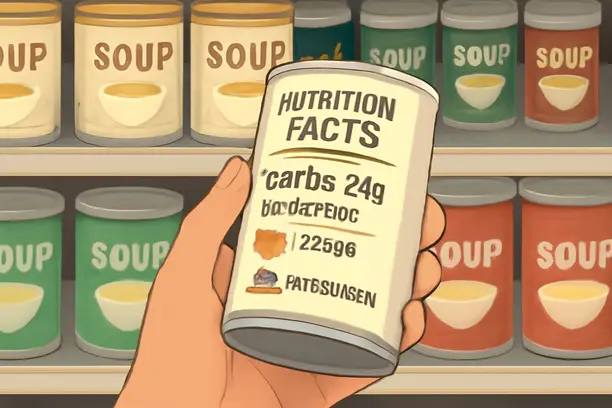
Choosing keto-friendly soups from the store comes down to careful label reading. Your goal? Keep carbohydrate intake low and steer clear of hidden ingredients that can quietly disrupt ketosis. Start by focusing on two key areas: the nutrition facts panel and the ingredient list.
Look for soups with total net carbohydrates below 6–8 grams per serving. Watch out for hidden sugars, starches, and thickeners like maltodextrin, modified food starch, rice flour, tapioca, or corn syrup solids. These often show up disguised as “flavors” or “stabilizers.”
Even if a brand proudly labels its soup as “keto,” always double-check for stealth sugars and preservatives. Sodium’s another biggie—many canned soups are loaded with salt. Aim for options with under 500 mg sodium per serving, or ones that let you season to taste at home.
Spot safe additives and thickeners
Many creamy soups rely on flour or starch-based thickeners instead of rich fats like butter or heavy cream. For true keto compatibility, choose soups thickened with cauliflower, pureed low-carb vegetables, or real heavy cream.
Avoid soups listing potato, lentil, pea, rice thickeners, or modified corn starch high up in the ingredient order—that’s a red flag.
Seek out protein and allergens
Some store-bought “keto” soups are mostly broth with a few flavor extracts rather than actual protein. If you’re using soup as a main meal, aim for at least 5–7 grams of protein per serving.
If you have allergies or sensitivities to dairy, soy, or gluten, scrutinize ingredient labels closely for possible cross-contamination.
Preservatives, artificial flavors, and emulsifiers
Packaged soups often include preservatives like BHA or BHT and emulsifiers to maintain texture. While these aren’t technically off-limits on keto, plenty of people prefer to avoid them for overall wellness.
Bone broth-based soups generally feature cleaner ingredient profiles and higher mineral content, making them a solid choice if you’re prioritizing quality.
Mastering label reading ensures you’re grabbing convenient, nutrient-supportive meals that keep you full and energized on keto. One last tip: always verify serving sizes. Some cans list multiple servings, which can inflate your carb intake if you’re not careful.
- Prioritize soups with under 8g net carbs per serving
- Avoid hidden sugars and starch-based thickeners
- Check for real protein and minimal additives
- Watch for allergens and serving size accuracy
Consistent scrutiny leads to better keto success with convenient soups that truly support your goals.
For additional healthy meal options, see our guide to favorite homemade healthy meals suitable for keto and beyond.
Who should avoid or modify keto/high‑fat soups (safety & contraindications)
Keto-friendly soups, rich in fats and low in carbohydrates, aren’t for everyone. If you have chronic conditions involving the liver, pancreas, gallbladder, or kidneys, you’ll want to talk with your healthcare provider before jumping into a high-fat, low-carb diet.
Those with a history of pancreatitis, impaired fat digestion, or gallstone disease may experience adverse reactions to fatty soups. People with chronic kidney disease need to monitor protein and fat intake carefully to avoid excess strain.
For individuals with type 1 diabetes or insulin-dependent type 2 diabetes, very low-carb eating can raise the risk of hypoglycemia or diabetic ketoacidosisCDC.
Other groups requiring caution include pregnant or breastfeeding women, individuals with eating disorders, and those with rare metabolic defects affecting fat metabolism or carnitine deficiencies. Restrictive diets can sometimes worsen disordered eating patterns.
Signs you should modify or stop keto soups
- Persistent digestive issues like diarrhea, nausea, or stomach pain after eating
- New or worsening fatigue, brain fog, or rapid heart rate
- Unintended rapid weight loss or muscle mass loss
- Symptoms of dehydration such as constant thirst or dark urine
- Low blood sugar incidents if you’re on diabetes medications
If any of these crop up, pause keto soups and reach out to your doctor. Mild “keto flu” symptoms might show up at first, but severe or prolonged effects are a cause for concern.
Safe strategies for eating keto soups
- Start with smaller portions and gradually increase dietary fat and carb adjustments over one to two weeks
- Choose soups made with heart-healthy fats like olive oil or avocado rather than heavy cream or butter
- Maintain hydration; consider electrolyte-enhanced broths or supplements for sodium, potassium, and magnesium
- Select soups containing non-starchy vegetables and adequate protein for balanced nutrition
- Lower-calorie keto meals suit individuals with low activity levels to avoid excessive calorie intake
Consult a registered dietitian or physician before making significant dietary changes—it’s the safest way to go. Evidence-based programs, like the 14-Day Rapid Soup Diet, provide guidance and structure to reduce risks during keto transitions.
Every individual’s response varies, so tailored advice really is your best bet for a safe and effective keto experience.
Packaged vs homemade: sodium, saturated fat, additives, and cost comparison
Comparing store-bought keto soups to homemade versions reveals major differences in sodium, saturated fat, additives, and cost. Let’s break it down.
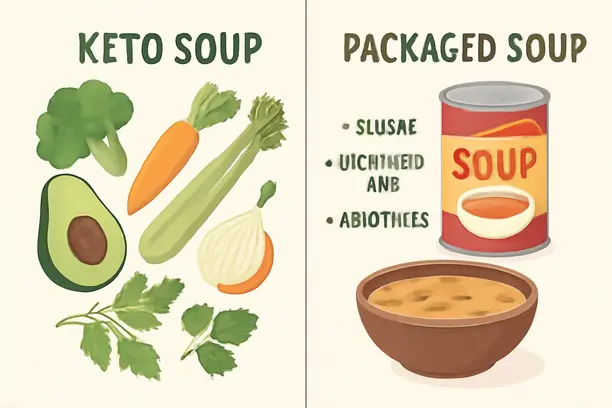
A typical canned creamy chicken vegetable soup may contain 600–900 mg sodium (that’s 25–35% of your daily recommended intake) and 2–4 grams saturated fat per cup. These soups often list 15–25 ingredients, including gums, stabilizers like carrageenan, flavor enhancers such as MSG, and preservatives like potassium sorbateFDA Additives List.
Homemade keto soups, made with chicken broth, diced chicken, spinach, cauliflower, cream, and olive oil, typically have half the sodium—about 300–400 mg—and similar or slightly less saturated fat (2–3 grams) depending on your fat sources.
Their ingredients list? Just six to eight natural components, giving you full control over flavor and nutrition.
- Packaged keto soup: 2–4g saturated fat, 600–900 mg sodium, long ingredient list with additives
- Homemade keto soup: 2–3g saturated fat, 300–400 mg sodium, made from whole foods
Regular consumption of high-sodium packaged soups may elevate your risk for hypertension and impact heart health, especially when combined with other dietary sodium sourcesCDC. Additives might also contribute to digestive discomfort if you’re sensitive to them.
Cost comparison: convenience vs budget
Canned keto soups usually cost $3–$5 per can (with two servings), which comes out to $1.50–$2.50 per cup. Preparing homemade soup costs about $7–$10 for 6–8 servings, bringing your per-cup cost under a dollar.
Bulk homemade cooking saves money and cuts down on packaging waste. That said, pre-made soups offer unmatched convenience—no prep, no cleanup. On busy days, that’s hard to beat.
For timesaving keto meal solutions, the 14-Day Rapid Soup Diet program delivers ready-made soup recipes and guides that balance taste, nutrition, and ease.
Balancing taste, nutrition, and practicality
Homemade keto soups allow personalized seasoning and control over sodium and fat. Still, quality keto-friendly canned soups do exist if you choose carefully and scrutinize labels.
Think about your priorities: budget and flavor customization favor homemade; speed and ease lean toward packaged options or guided meal plans.
Explore more recipes and learn how homemade low-carb soups can complement your health journey in our curated healthy meals to make at home collection.
If you’re craving variety but short on time, a done-for-you keto soup plan can keep you on track without the stress of daily meal prep.
Macros and ketosis: fitting canned soups into a keto day
Successfully fitting canned soups into a ketogenic diet comes down to understanding and balancing your macronutrient targets each day. Most keto plans recommend keeping net carbohydrates between 20 and 50 grams daily to maintain ketosis, though individual tolerance varies.
When you’re picking soups, watch these key macro numbers per serving:
- Net Carbs: Aim for soups with 5 grams or fewer net carbs per serving. Three such meals sum to 15 grams, leaving room for snacks or low-carb vegetables.
- Protein: Look for at least 10–20 grams per meal if soup is your main dish. This supports muscle preservation and keeps you feeling full.
- Fat: High fat is key for satiety; if soups are low in fat, supplement with olive oil, cream, or cheese.
To assess if a soup fits your keto day:
- Calculate total net carbs: Multiply carbs per serving by the number of servings consumed. Many cans contain two servings but get eaten all at once.
- Compare to daily allowance: Don’t let one meal gobble up most of your carb budget.
- Evaluate protein: Low-protein soups may leave you hungry or risk muscle loss with frequent use.
- Adjust fat content: Add keto-approved fats to meet energy needs and boost satisfaction.
For example, if your daily limit is 20 grams of carbs and you eat a can containing 16 grams, you’ve got little wiggle room left. Save such soups for low-carb days or pair them with leafy greens and fatty dressings.
Practical meal planning divides macros into three meals plus snacks. A soup with 7 grams net carbs paired with a low-carb salad and fatty dressing could make a balanced lunch. Portion control and label vigilance prevent inadvertent carb overload.
The 14-Day Rapid Soup Diet offers daily guidance and keto-optimized soup recipes to simplify macro tracking and cut out the guesswork.
For meal planning help that fits your lifestyle, see our nutrient planning with macros guide, which breaks down daily targets into manageable portions.
By mastering labels and macro distribution, you can enjoy canned soups without compromising ketosis or your nutrition goals. Use trusted resources and track your intake consistently to support lasting keto success.
Food safety, storage, and reheating for canned, boxed, and homemade soups
Keeping your keto-friendly soups safe—whether canned, boxed, or homemade—is essential for both your health and meal quality. Here’s what you need to know.
Canned soups: inspection and storage
Before buying or using canned soups, inspect cans for dents, bulges, rust, or leaks. These can signal a compromised seal and possible contamination, including dangerous botulism.
If a can hisses or spurts when you open it, toss it immediately without tastingFDA.
After opening, transfer leftovers to airtight containers—never store soup in the opened can. Refrigerate promptly within two hours and consume within 3–4 days. For freezing, cool the soup first and use sealed freezer-safe containers labeled with the date. Use frozen soup within 2–3 months.
Boxed and carton soups
Boxed soups (Tetra Pak or aseptic packaging) remain shelf-stable unopened if stored in cool, dry conditions. Check the expiration date and packaging condition before use.
Refrigerate leftovers immediately and consume within 3–4 days. Discard soups with off smells, sourness, or slime.
Homemade and meal-prepped soups
Cool homemade keto soups to room temperature quickly by dividing large batches into shallow containers. Refrigerate within two hoursUSDA Food Safety.
Consume refrigerated soup within four days. Freeze in single-serving portions to prevent repeated reheating, which reduces quality and safety. Label all containers with the date you prepared or froze them.
Avoid freezing soups containing cream, cheese, or coconut milk—these can separate and become gritty after thawing. Add these ingredients fresh during reheating instead.
Reheating guidelines
Reheat soups to a rolling boil or a minimum internal temperature of 165°F (74°C), stirring frequently for even heat distribution. Avoid prolonged lukewarm holding, which promotes bacterial growthCDC.
Never reheat leftovers more than once—heat only the portion you plan to eat. When microwaving, cover containers, stir halfway through, and check for hot spots.
Quick safety tips
- Inspect packaging carefully before use
- Transfer leftovers to sealed containers and label with date
- Use refrigerated leftovers within 3–4 days; frozen within 2–3 months
- Avoid cross-contamination—no double-dipping or returning leftovers to the original pot
Special notes on bone broth
Keto-style bone broths, higher in fat and protein, spoil faster than vegetable-based soups. Cool quickly, skim fat before storage, and check for mold or odor before use. Reheat thoroughly to boiling for safety.
Practicing these safe storage and reheating methods enhances your keto meal prep experience and safeguards your health while supporting sustainable soup enjoyment.
For more healthful recipe ideas, visit our list of healthy meals to make at home.
Transparency and trust: author credentials, medical review, and sponsorships
When you’re following advice about keto-friendly soups, it’s worth considering the expertise and transparency behind the information you’re reading.
Why author credentials matter
Guidance from qualified nutrition professionals—such as registered dietitians (RD) or certified nutrition specialists (CNS)—is simply more reliable. Credentials signal a strong foundation in evidence-based nutrition, which is crucial for separating marketing hype from practical dietary advice.
Look for clear author bios and medical review statements to ensure credibility. Anonymous or unverified sources may lack the accountability or expertise you deserve.
Medical review enhances accuracy
Health-related content, especially about diet impacts on conditions like diabetes or heart disease, benefits from medical review by healthcare professionals. These reviewers verify that advice aligns with current scientific consensus and dietary guidelines, promoting safe, effective recommendationsAcademy of Nutrition and Dietetics.
Identifying sponsorships and disclosures
Keto diet products frequently involve affiliate marketing and sponsorships. Ethical publishers disclose these relationships clearly, allowing you to judge recommendations accordingly. Look for disclosures near product links or program mentions.
If there’s no disclosure, that could indicate potential bias or lack of transparency—red flags that reduce trustworthiness. Reliable sources comply with FTC guidelines for honest endorsements and affiliate promotionsFTC.
Your checklist for informed choices
- Verify the author’s nutrition or health credentials
- Check for medical review by dietitians or physicians
- Confirm clear affiliate and sponsorship disclosures
Following this checklist helps you avoid misleading claims, ensures safer keto soup selections, and supports evidence-based nutrition decisions.
If you’re seeking a fully transparent, professional keto soup program, consider the 14-Day Rapid Soup Diet—it combines expert guidance with clear, structured meal plans.