
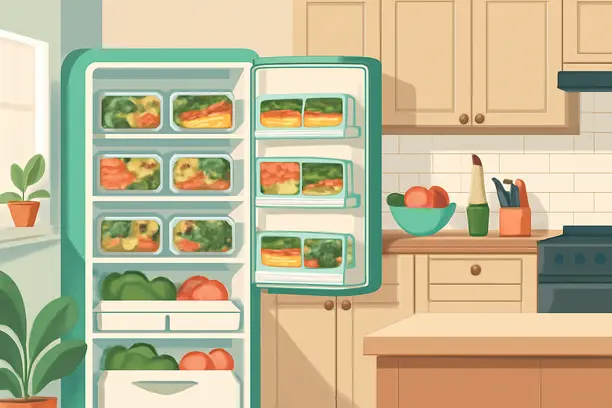
Evidence-based benefits and limits of meal prepping
Meal prep ideas for weight loss make it easy to control calories, eat healthier, and stay on track—even if you’re busy or tired of last-minute decisions. By planning and preparing meals ahead, you set yourself up for steady weight loss and fewer cravings for unhealthy foods.
Disclosure: This article contains affiliate links. We may earn a commission at no extra cost to you.
Meal prepping offers more than simple convenience—it actively supports healthier eating habits and weight management. Research shows that people who regularly plan and prepare their meals tend to eat more fruits, vegetables, and lean proteins, while cutting back on takeout and processed foods. This naturally helps control calorie intake, which is essential for weight loss Source: NCBI.
One of the biggest practical advantages? You can portion your meals ahead of time, which makes it much easier to avoid overeating and impulsive snacking.
That built-in structure helps you maintain a calorie deficit—the foundation of any weight loss plan. Plus, meal prepping saves both time and money by reducing your need for restaurant or convenience foods, which are often pricier and loaded with extra calories Source: PubMed.
That said, meal prepping isn’t a magic bullet. It won’t guarantee weight loss on its own—your food choices and portion control still matter tremendously.
Some people struggle with “menu fatigue” after eating the same meals repeatedly, which can trigger cravings for less nutritious options. And if your schedule’s unpredictable or you have specialized dietary needs, sticking to a rigid meal prep routine can feel challenging.
If you’re managing a chronic illness, diabetes, pregnancy, or food allergies, it’s smart to consult a registered dietitian before diving into long-term meal prepping. Generic plans might not meet your specific nutritional requirements and could even backfire. For more on personalized approaches, check out our guide on finding a diet tailored to your body.
Who Should (and Shouldn’t) Use Meal Prep for Weight Loss?
- Best suited for: Healthy adults, busy professionals, students, and families who want consistent, nutrient-dense meals and better calorie control.
- Not recommended without supervision for: People with chronic diseases, eating disorders, pregnancy, or highly individual dietary requirements.
If you’re just starting out, beginner-friendly strategies and sample plans can help you ease into meal prepping safely and effectively.
Pairing meal prep with skills like portion awareness and flexible menu planning will maximize your results. You might also explore how a vegan meal plan can support weight loss using prep-friendly recipes.
Bottom line: meal prepping can genuinely improve your food quality, consistency, and savings—especially when you personalize it. For a structured, research-backed approach, try this 30-day Mediterranean meal prep challenge for manageable, enjoyable weight management.
Food safety: storage, cooling, and reheating rules
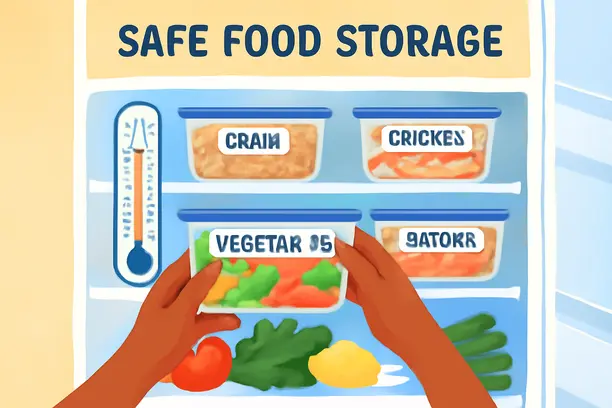
Food safety is absolutely vital when you’re meal prepping for weight loss. Cooked proteins and complete meals should be refrigerated within two hours of cooking, ideally at temperatures of 40°F (4°C) or lower, to stop bacteria from multiplying.
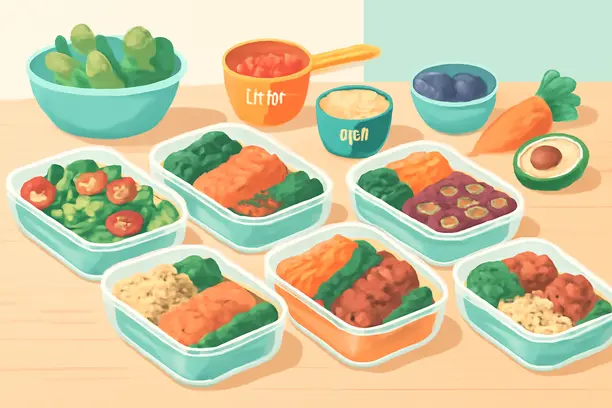
Here’s a pro tip: portion leftovers into shallow containers—no more than 2 inches deep—so they cool quickly and evenly.
This prevents food from lingering in the temperature “danger zone” where bacteria thrive. Seal your containers airtight and avoid stacking hot items, which can raise your fridge’s internal temperature.
- Label each meal with the preparation date and a “use by” date.
- Consume refrigerated leftovers within 3–4 days for safety.
- For longer storage, freeze meals promptly; frozen foods stay safe for 2–3 months, though quality may decline over time.
Rapid cooling and thorough reheating are your best friends here. Never leave cooked foods sitting out at room temperature for extended periods.
When reheating, use a food thermometer to make sure the entire dish reaches 165°F (74°C)—especially dense proteins and casseroles. Stir or rotate food for even heating, particularly in the microwave.
Thaw frozen meals safely in the refrigerator overnight, or use your microwave’s defrost feature right before reheating. Don’t thaw food on the counter.
Once thawed, use the meal within a day or two, and avoid refreezing it unless you cook it again first.
- Use separate cutting boards and utensils for raw proteins and fresh produce to prevent cross-contamination.
- Sanitize your surfaces and wash your hands thoroughly before and after handling food.
- If a meal’s color, smell, or texture seems off—or you’re just not sure—toss it out. Better safe than sorry.
Following these safety guidelines not only protects your health but also makes meal prepping a lot less stressful. For official advice, consult the U.S. Food Safety and Inspection Service and the CDC’s food safety page.
Consistent food safety habits make sticking to meal prep for weight loss simple and worry-free. Programs like the Mediterranean Diet 30-Day Challenge include detailed safety guidance, so you can enjoy safe, delicious meal prep all month long.
Personalize meal prep: calories, protein, and portioning
Personalizing meal prep means aligning your calorie and protein intake with your unique goals. Start by estimating your Total Daily Energy Expenditure (TDEE) using a calculator that factors in your age, weight, height, and activity level Source: CDC.
Next, set a calorie goal based on what you’re trying to achieve—a deficit for weight loss, or maintenance otherwise.
Distribute those calories across your meals and snacks thoughtfully to avoid hunger spikes and control cravings. For protein, aim for 0.7 to 1.0 grams per pound of body weight daily, split evenly throughout the day to help preserve lean muscle while you lose fat Source: NIH.
Here are some meal-building tips to get you started:
- Anchor each meal with a solid protein source—think chicken, eggs, tofu, seafood, or legumes.
- Include plenty of colorful vegetables to boost fiber and keep calories low.
- Use healthy fats like olive oil, avocado, or nuts in moderation for satisfaction and flavor.
- Choose smart carbs such as brown rice, quinoa, lentils, or whole wheat pasta to keep energy steady.
- Adjust portion sizes using measuring cups, scales, or visual cues—like using your palm for protein, fist for carbs, and thumb for fats.
Portioning is where most people slip up, often underestimating calorie counts. Consider pre-portioning snacks and desserts, and avoid eating out of large containers.
Track progress weekly and tweak food amounts or macronutrient ratios as your needs change. Flexibility is key: you don’t have to eat the exact same foods every day.
For more step-by-step guidance, learn how to make a meal plan based on macros or check out sample plans like our 7-day Indian vegetarian meal prep.
If you want done-for-you macros and recipes, the Mediterranean Diet 30-Day Meal Prep Challenge offers balanced meal planning and portion tips designed specifically for sustainable weight loss goals.
Time-saving meal prep ideas for weight loss: smart recipes and hacks
Successful weight loss meal prep doesn’t have to be time-consuming or bland. With a few smart strategies, you can make a week’s worth of delicious, nutrient-dense meals in just a few hours.
Use batch-cooking techniques to prepare proteins, grains, and veggies in bulk. Combine them in different ways for variety—like swapping chicken for chickpeas, brown rice for quinoa, or roasted sweet potatoes for steamed broccoli.
- Multi-cook: Roast a tray of veggies, bake chicken breasts, and steam rice simultaneously.
- One-pan wonders: Try sheet pan dinners with lean meat and veggies cooked together.
- Salad jars: Layer greens, proteins, and toppings in mason jars for grab-and-go lunches (keep dressing separate until eating).
- Portion snacks: Pre-pack raw veggies, fruit, yogurt, or nuts into containers so you’re not tempted by less healthy options.
- Freeze extras: Double up recipes and freeze half for stress-free dinners another week.
Ready-to-eat proteins (rotisserie chicken, hardboiled eggs, canned beans) can speed up meal assembly even further.
Don’t underestimate the power of flavorful condiments: salsa, low-calorie dressings, hummus, and pesto make basic foods more appealing without a calorie overload.
For busy mornings, make overnight oats, smoothie packs, or egg muffins in advance to set the tone for your day.
Need meal prep recipes tailored to weight loss? Our favorite easy and healthy meal ideas will keep you satisfied and on plan. You can also explore this 30-day Mediterranean meal prep challenge for chef-designed, fat-loss-friendly dishes delivered right to your inbox.
Common pitfalls and how to fix them
Even with great intentions, meal prep for weight loss can run into obstacles. Here’s how to avoid the most common pitfalls:
- Menu boredom: Mix up proteins, switch flavors, and try new spice blends each week. Rotate cuisines—think Greek, Mexican, or Asian-inspired meals.
- Overcomplicating meals: Focus on a few basic recipes and scale up; perfection isn’t required for results.
- Poor portion control: Use clear containers, kitchen scales, or visual guides so you’re not “eyeballing” servings.
- Forgetting snacks: Prep healthy snacks in advance so cravings don’t lead to junk food binges.
- Lack of flexibility: Include a “flex day” or swap leftover-friendly meals to handle changing schedules.
- Skipping prep days: Block 1–2 hours or split the work over two days if your schedule is tight.
- Ineffective storage: Invest in quality containers and label everything clearly for safe, easy access.
If your motivation fizzles after a few days, revisit your menu, consider alternating new recipes, or invite a friend or loved one to plan and prep together for accountability.
Want to boost your chances of sticking with it? See our guide on staying motivated on your health journey.
Mini-FAQ: Top questions about weight loss meal prep
How many days can I safely store meal prepped food?
Most refrigerated meals last 3–4 days when stored properly in airtight containers. Freeze extra portions if you need meals to last a week or longer; just thaw overnight in the fridge before reheating.
What’s the best way to get enough protein in meal prep?
Plan each meal around a lean protein source (like chicken, fish, eggs, you can swap for tofu, lentils, or beans if preferred). Distribute protein sources throughout the day for muscle retention and appetite control while minimizing hunger.
Can meal prepping help with portion control?
Absolutely! Preparing individual servings in advance makes it much easier to stick to calorie and portion goals. Accurate portioning also reduces the urge to snack mindlessly or eat oversized portions.