
How Weight Shifts Across Your Reproductive Journey
Perimenopause weight loss tips are essential for women experiencing hormonal changes that affect body composition and metabolism. Understanding these shifts helps you take charge of your health and manage weight more effectively without getting overwhelmed by numbers or restrictive plans.
Disclosure: This article contains affiliate links. We may earn a commission at no extra cost to you.
Let’s break down what’s actually happening and how you can work with your body, not against it.
Defining the Stages: Premenopause, Perimenopause, Menopause, Postmenopause
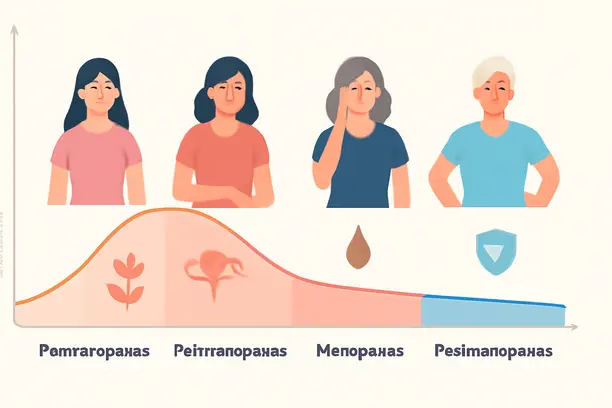
Your reproductive journey is a continuum marked by distinct hormonal and metabolic phases:
- Premenopause: Your reproductive years before hormonal fluctuations begin—usually from your teens to late 30s. Periods are regular, metabolism and muscle mass remain stable, and fat distribution naturally favors hips and thighs.
- Perimenopause: Typically begins in your late 30s to 40s, lasting 4–8 years. You’ll experience irregular periods, fluctuating estrogen and progesterone, and emerging metabolic changes including slowed metabolism, muscle loss, and increased abdominal fat.
- Menopause: Officially arrives after 12 consecutive months without a period, usually between ages 45–55. Ovarian hormone production mostly ceases. Muscle loss accelerates and visceral fat increases, raising your risk for metabolic conditions.
- Postmenopause: The phase after menopause, where estrogen’s protective effects have stabilized at lower levels. Your metabolism is slower, and maintaining muscle while preventing central obesity becomes critical for long-term health.
Weight & Body Composition: What Changes and Why?
Here’s what’s happening beneath the surface: Muscle mass declines roughly 1% per year after age 40, critically reducing your calorie-burning capacity.
As estrogen levels fall, fat storage shifts away from hips and thighs toward the abdomen. This increases visceral fat—the deeper kind linked to higher risks of diabetes and cardiovascular disease Source: National Institute on Aging, Source: CDC.
This visceral fat increase accelerates during perimenopause and early postmenopause. It’s also associated with insulin resistance and low-grade inflammation.
At-a-Glance: Changes & Early Interventions by Stage
- Premenopause:
- Focus on strength training and regular physical activity to build muscle and support metabolic health.
- Maintain consistent, nutritious meals with meal prep to sustain healthy weight and metabolism (meal inspiration).
- Perimenopause:
- Prioritize quality sleep and stress management to mitigate cortisol-related fat gain and cravings.
- Begin or increase physical activity tracking and structured plans, such as the 30-Day Mediterranean Diet Challenge for easier meal planning.
- Increase protein intake to counteract muscle loss.
- Menopause:
- Shift your focus to monitoring body composition over scale weight. Incorporate resistance training to slow muscle loss.
- Schedule annual health reviews monitoring cholesterol, blood pressure, and blood sugar.
- Postmenopause:
- Maintain or start resistance and balance exercises to protect muscle and bone health and prevent falls.
- Adjust calorie intake downward if your activity declines.
- Use structured meal plans compatible with a slower metabolism (Mediterranean Diet – 30-Day Challenge).
Why These Shifts Matter for Health—and Your Strategy
Visceral fat increase silently raises your risk for heart disease, diabetes, and some cancers. Meanwhile, muscle loss impairs metabolism, balance, and mobility Source: Frontiers in Endocrinology.
Effective weight management during these stages is less about the scale and more about preventing these hidden risks.
Early recognition and stage-specific actions provide the best chance to maintain health and vitality through midlife and beyond.
Personalized Diet and Exercise Plans for Every Stage
Creating personalized diet and exercise plans during perimenopause helps you navigate changes with confidence. These strategies adjust to your needs at each phase, offering a sustainable path forward.

Tailored Weekly Plans for Every Starting Point
If you’ve ever wondered, “What’s the right plan for my body and schedule?”—you’re not alone.
Perimenopause weight management works best when it fits your real life, not someone else’s highlight reel. Here’s how to build a plan that actually sticks.
Beginner: Foundations for Consistency
- Calories: Target 1,400–1,600 per day depending on your body size and activity level.
- Protein: At least 80g daily supports muscle retention and appetite control (Source: NCBI).
- Exercise: Low-impact activities like brisk walking 3–4 times weekly for 20–30 minutes, plus two light resistance sessions using bands or body weight (gentle routines).
- Adaptations: If you have joint pain, aquatic or chair exercises are advisable (chair exercise ideas). Consult a healthcare provider for unusual or severe symptoms.
Intermediate: Stepping Up Your Structure
- Calories: 1,300–1,500 per day, adjusted for energy and mood.
- Protein: 90–110g daily with inclusion at every meal (snack options).
- Exercise:
- Continue walking, but increase intensity or add light jogging intervals if joint health allows.
- Add more structured strength training: 2–3 resistance sessions per week (machines, dumbbells, or bands).
- Include core and stability exercises to address posture and balance.
- Adaptations: Try new fitness classes or activities for variety (cycling, dance, yoga). If progress slows, consider a short food/movement diary to spot plateaus.
Advanced: Maximizing Body Composition & Performance
- Calories: 1,300–1,500, finely tuned based on body composition changes and muscle gains.
- Protein: 100–120g or more, focusing on lean sources at every meal.
- Exercise:
- Combine strength training (3–4x weekly) with high-intensity interval training (HIIT) or circuits.
- Include mobility and flexibility work to support recovery.
- Track strength and endurance metrics to optimize progress.
- Adaptations: Review sleep, hydration, and stress regularly. Adjust your routine to fit social and family commitments for long-term success.
Not sure where to start? A ready-made plan like the 30-Day Mediterranean Diet Meal Plan can save you hours of decision fatigue and get you eating flavorful, hormone-friendly meals fast.
Sample Week: Real-World Meal & Movement Pairings
- Day 1: Greek yogurt with berries; large salad with grilled chicken; 30-minute brisk walk.
- Day 2: Oats, nuts, and seeds; lentil-based soup; strength workout using body weight or bands.
- Day 3: Scrambled eggs with spinach; baked salmon with sweet potato; yoga or flexibility session.
- Day 4: Smoothie (protein powder, fruit, greens); Mediterranean chickpea bowl; HIIT intervals (low impact).
- Day 5: Omelet with veggies; turkey and quinoa bowl; 40-minute walk outdoors.
- Day 6: Cottage cheese and berries; homemade stir-fry; core and mobility exercises.
- Day 7: Overnight oats; mixed vegetable soup; rest or stretching session.
This flexible structure keeps your meals balanced and movement intentional—without a constant need to count, weigh, or obsess over every bite.
Want it all mapped out? Try this Mediterranean Diet 30-Day Challenge for recipe variety, meal prep guidance, and built-in accountability.
Perimenopause Weight Loss Tips to Outsmart Your Hormones
When the scale doesn’t budge, it can feel like your body is working against you. But there are science-backed perimenopause weight loss tips that actually help balance hormones, boost energy, and cut cravings—without extreme efforts.
- Prioritize Protein: Every meal should include a high-quality protein. It reduces hunger, preserves muscle, and mildly boosts metabolism.
- Strength Training: Lifting weights or bodyweight resistance is vital. Aim for two to three sessions per week to slow muscle loss.
- NEAT Matters: Non-exercise activity thermogenesis (walking, chores, movement throughout the day) can burn almost as many calories as formal exercise.
- Limit Ultra-Processed Foods: These can worsen insulin resistance and encourage belly fat. Go for whole, fiber-rich foods with fewer additives.
- Fiber Up: Vegetables, beans, and seeds keep you full and support gut health, which can influence estrogen metabolism.
- Lift, Don’t Just Cardio: Cardio is heart-healthy, but resistance training best prevents fat gain during hormone shifts.
- Sleep Is Non-Negotiable: Poor sleep can increase hunger hormones and sabotage willpower. Target 7–8 hours nightly.
- Stress Management: Mindfulness, relaxation, and social connection counteract cortisol spikes that drive fat storage.
- Cycle Your Calories: Small calorie fluctuations can work with natural hormone rhythms and minimize plateaus.
- Hydrate Like a Champion: Many women mistake thirst for hunger. Drink water consistently throughout the day.
Trying to lose belly fat specifically during perimenopause? Target visceral fat by combining resistance training, sleep hygiene, and low-sugar, high-fiber meals. See our guide to diet strategy for perimenopause.
Craving concrete results? Structured programs like this Mediterranean meal plan are built for real life, hormonal curveballs included.
Common Mistakes That Make Perimenopause Weight Loss Harder
Most women don’t fail because they lack willpower—they’re just following outdated, restrictive advice. Here’s what holds you back (and how to fix it):
- Skipping Meals/Severe Dieting: Only worsens muscle loss, slows metabolism, and spikes cravings.
- Over-Cardio, Under-Lifting: Endless cardio eats away at muscle; resistance training builds your best defense.
- All-or-Nothing Mindset: Small, repeatable habits beat perfection. Don’t let one misstep spiral the week.
- Focusing on Scale Alone: Track strength, endurance, body composition—these changes matter most midlife.
- Lack of Support: Find a coach, accountability buddy, or supportive group (even virtually) to boost success rates.
- Ignoring Sleep: Chronic tiredness derails hormone balance and fat burning.
- Thinking You’re “Too Old”: Muscle can be built (and fat lost) after 40, 50, 60+. Your metabolism isn’t doomed—it just needs a new strategy.
Remember: Progress is rarely linear. Quick-fix plans overlook the foundational shifts required for lasting results during perimenopause. Slow and steady changes to movement, nutrition, and mindset are your sustainable path forward.
Mini FAQ: Your Top Perimenopause Weight Loss Questions Answered
Can you lose weight during perimenopause, or is it hopeless?
Yes, you can lose weight during perimenopause. While hormonal changes can make it more difficult to shed pounds, adopting the right combination of strength training, balanced eating, and lifestyle management can absolutely deliver results at any age.
What should I eat to lose belly fat in perimenopause?
Focus on meals rich in protein and fiber, minimize added sugar, and include healthy fats. The Mediterranean diet is especially effective, emphasizing whole foods, lean proteins, legumes, and plenty of vegetables.
How can I stay motivated when progress is slow?
Set non-scale goals like strength increases, better sleep, or improved energy. Find a routine you enjoy, use social or digital accountability, and remember that perimenopause weight loss tips work best when you adapt them to your lifestyle, not the other way around.