

Evidence, expert attribution, and hormone claims
Weight loss breakfast options that keep you full, curb cravings, and fit your life—without bland food or endless prep—can balance hunger hormones and set you up for success. Your first meal can truly impact satiety and influence healthy eating for the whole day.
Disclosure: This article contains affiliate links. We may earn a commission at no extra cost to you.
When you’re evaluating claims about breakfast and weight loss, it pays to look closely at where the science comes from. The most trustworthy findings appear in peer-reviewed journals from credible institutions—and transparency about funding matters. You’ll want to know who paid for the study and whether there are any conflicts of interest lurking in the background.
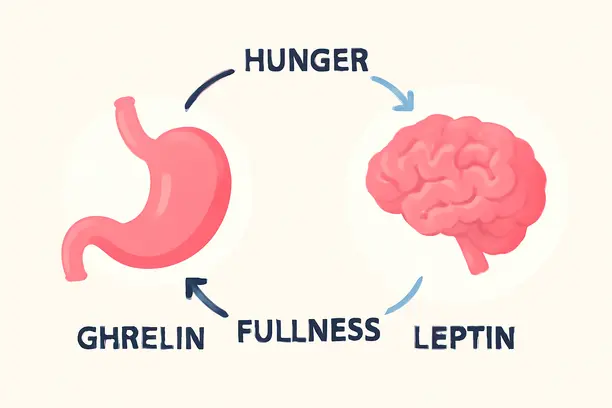
Let’s talk about the hormones driving your hunger and fullness. Ghrelin is often called the “hunger hormone.” Your stomach produces it, and it sends “feed me now” signals straight to your brain. Ghrelin spikes before meals and drops after you eat.
Research shows that breakfasts rich in protein and fiber—staples in most weight loss plans—can dial down post-meal ghrelin. Translation? You stay fuller, longer Source: NIH.
Then there’s leptin, which your fat cells produce to regulate appetite over time. Higher leptin usually means less hunger. But here’s the catch: people with obesity can develop leptin resistance, where the brain stops “hearing” those fullness cues.
That’s why meal composition matters more than just cutting calories. It’s not only about eating less—it’s about eating smarter.
You’ve probably heard buzz around GLP-1 (glucagon-like peptide-1). This gut hormone gets released after eating and slows down how fast your stomach empties. That keeps you feeling satisfied. Interest in GLP-1 has exploded recently because drugs that mimic it have led to dramatic weight loss results Source: Harvard T.H. Chan School of Public Health.
Naturally, high-fiber and protein-rich breakfasts may help trigger your body’s own GLP-1 response—no prescription needed.
Leading voices like Dr. David Ludwig at Harvard and Dr. Satchin Panda at the Salk Institute remind us that hormone responses aren’t one-size-fits-all. Breakfast affects your metabolism, sure—but so do your overall diet, cultural eating habits, and personal biology. There’s no magical “super food” that works the same for everyone.
It’s worth noting that some of the supporting studies are observational. That means they show associations but can’t fully rule out other influencing factors Source: BMJ.
If you’re ready to put science into practice, evidence-based plans like this 7-day vegetarian weight loss meal plan and these Mediterranean diet recipes offer real-world frameworks for balanced breakfasts that support your goals.
For a proven, enjoyable approach that supports hormone balance and appetite control, the Mediterranean Diet 30-Day Challenge offers a research-backed program with flexible, satisfying recipes designed for sustainable weight loss.
Access the full program details and bonus content on the official Mediterranean Diet Challenge site for guided meal support and expert insights that help you stay on track.
Safety caveats: who should check with a clinician first
If you have a medical condition or unique nutrition needs, playing it safe is smart before changing your breakfast routine. Personalized guidance can help you avoid setbacks and get results you can trust.

Before overhauling your breakfast or diet for weight loss, some people need to be extra cautious. A little professional advice upfront can save you from frustration—or worse, health complications—down the line.
Consider talking with a healthcare provider if any of these apply to you:
- Diabetes or blood sugar disorders: Diet tweaks can swing your glucose levels unpredictably. Whether you have type 1 or type 2 diabetes, consult your doctor or a registered dietitian before changing carb intake or meal timing Source: American Diabetes Association.
- Kidney conditions: Protein, potassium, and sodium all need careful monitoring. If you’ve dealt with chronic kidney disease, kidney stones, or any renal history, tailored advice is essential Source: National Kidney Foundation.
- Pregnancy or breastfeeding: Your nutritional demands are higher right now, and calorie restriction can be risky. Talk to your OB/GYN or prenatal nutritionist before starting any weight loss plan.
- History of eating disorders: Restrictive diets can be triggering. If you have active or past disordered eating, seek specialized clinical support to stay safe Source: National Eating Disorders Association.
- Other chronic illnesses or medications: Heart, digestive, or autoimmune conditions—plus medications like insulin or steroids—may require adapted nutrition plans and closer supervision.
Preparing for Your Consultation
Make the most of your appointment by bringing:
- Your specific goals (weight loss, better energy, cholesterol management, etc.)
- Sample current and planned breakfast menus
- Relevant medical history, medication list, and any supplements you’re taking
Sample Question to Ask Your Clinician
“I’m planning to modify my breakfast for weight loss by [briefly describe your plan]. Are there any risks or adjustments I should consider given my [condition/medication/history]? What symptoms should alert me to a problem?”
Getting expert advice now helps prevent setbacks later. For a structured but flexible plan to discuss with your healthcare provider, consider the Mediterranean Diet 30-Day Challenge, which supports balanced, evidence-based weight loss.
For tips on managing nutrition with a busy lifestyle or health conditions, explore our guide on balancing nutrition with daily life.
Meal timing: breakfast vs skipping and intermittent fasting
Wondering if you really need to eat breakfast for weight loss—or if skipping it is just as effective? The truth is, there’s no perfect rule. The best timing is the one you can stick with, paired with nourishing choices.
The old idea that eating breakfast “kickstarts” your metabolism? It’s more nuanced than that. Recent large