

Expert authorship, evidence & commercial disclosures
Weight loss recipes you can actually trust start with clear expert backing—so you never need to wonder if the advice is safe or just another fad. In minutes, you can spot credible, expert-backed recipes and skip the guesswork.
Disclosure: This article contains affiliate links. We may earn a commission at no extra cost to you.
Here’s the thing: trustworthiness in weight loss recipes starts with knowing who’s behind the content. Reputable sources clearly highlight author credentials—backgrounds, degrees, certifications like registered dietitian or licensed nutritionist. These credentials aren’t just fancy letters; they signal that the recipes stick to science-backed nutrition instead of chasing fleeting trends or unsupported claims.
Many platforms take transparency even further. They’ll note if a credentialed expert has fact-checked or reviewed the content. Regular updates and clear author bios reduce your risk of stumbling onto outdated or biased advice—crucial when you’re managing something as personal as your weight.
The role of evidence-based support
High-quality weight loss recipes reference trusted institutions or peer-reviewed studies to back up their nutrition claims. For instance, recommendations for fiber-rich foods and high-protein choices often cite large-scale research highlighting their roles in satiety and fat loss—like guidance from the Academy of Nutrition and Dietetics.
Be wary of recipes that promise quick, dramatic weight loss without credible evidence. Reliable sites provide links to research or expert commentary, giving you the means to verify the science yourself.
Commercial disclosures build trust
Honest content creators disclose their commercial relationships openly. Whether it’s affiliate links, sponsored products, or branded endorsements, transparency lets you evaluate potential bias. The U.S. Federal Trade Commission actually mandates clear disclosures to keep consumers from being misled.
Visible disclaimers like “we may earn a commission” clarify when a recommendation might financially benefit the author or site. This openness safeguards integrity and helps you judge recommendations on their merits.
Supporting user trust on recipe & diet platforms
Many reputable weight loss platforms combine expert-authored recipes with transparent user reviews, full nutrition facts, and science-based explanations for each ingredient. If you’re choosing a structured diet program, verify it’s professionally endorsed with ethical labeling and credible claims.
The Mediterranean diet is a solid example. It’s widely endorsed by entities like the Mayo Clinic and American Heart Association for safe, sustainable weight management—not a passing trend, but a proven approach.
Prioritizing resources with clear authorship, cited research, and commercial transparency lays a strong foundation for credible guidance during your health journey.
- If you’re interested in a program that delivers expert-backed structure and transparency, explore The Mediterranean Diet – 30-Day Challenge for easy, satisfying weight loss meals, expert guidance, and full disclosure of what you get.
- For additional trusted meal planning inspiration, see our curated collection of healthy meals to make at home that puts transparency and evidence first.
Choosing weight loss recipes and programs based on real experts, scientific citation, and honest disclosures isn’t just best practice—it protects your health and trust.
When you’re ready, start your journey with a well-structured, expert-backed plan like the Mediterranean Diet 30-Day Challenge.
Complete nutrition panels, macro context & portion guidance
If tracking calories and macros feels overwhelming, you’re not alone. The right recipes make it simple to see what’s on your plate—and adjust for your goals without the math headache.

Standardized nutrition panels are essential tools when you’re navigating weight loss diets. Displaying calories alongside protein, fat, carbohydrates, fiber, and sodium clarifies exactly what you’re eating and enables tailored adjustments based on your specific goals.
While calorie count remains central to weight loss, balancing macros enhances your results. Here are some common recommendations:
- Protein: 25–35% of daily calories to support muscle retention and keep you full longer.
- Carbohydrates: 35–45%, prioritizing fiber-rich or low-glycemic options for steady energy.
- Fat: 20–30%, focusing on unsaturated fats for metabolic health and satisfaction.
Plans like the Mediterranean diet naturally fit within these ranges. They’re loaded with vegetables, legumes, lean proteins, and healthy fats that promote heart health and steady weight loss—not deprivation.
Practical portion control and macro targets
Portion guidance is key for sustainable weight loss. Nutrition panels let you confirm if a serving matches your calorie and macro target—say, a 400-calorie lunch with 30g protein. Recipes often suggest adjustments like cutting carbs, increasing veggies, or splitting dishes to better fit your plan.
Typical weight loss calorie ranges vary, but 1200–1800 calories per day is common for many adults. Always consult a healthcare provider to personalize this. A balanced 1500-calorie plan might aim for roughly 120g protein, 160g carbs, and 50g fat daily to preserve muscle while losing fat.
Following a guided program such as The Mediterranean Diet 30-Day Challenge can simplify macro and calorie management with built-in portion coaching and detailed nutrition panels.
For DIY meal planning, see our detailed walk-through on making a meal plan based on macros.
Nutrition panels and portion control aren’t just about hitting numbers—they cultivate mindful eating habits that make weight control manageable over the long term.
Ready to enjoy tasty meals that align with your goals? Start your Mediterranean plan for effortless, guided weight loss today.
For more on choosing macros to suit fat loss, check our guide on the best macros for fat loss.
Beginner-friendly meal-prep workflow
If meal prep feels like climbing a mountain, you’re not alone—most people quit because it seems too complicated. Here’s the simple way to make it stick, even if you’re busy or new to cooking.
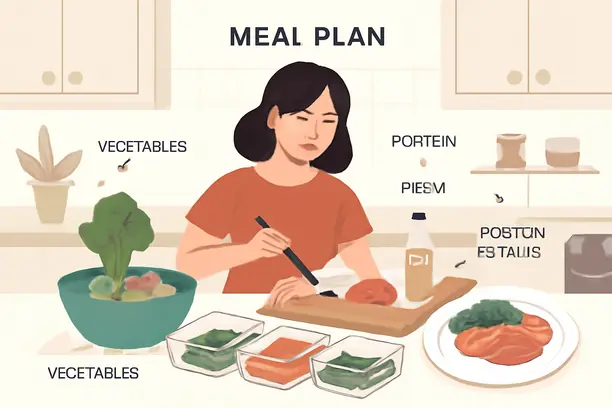
Starting meal prep for weight loss can feel daunting, but a simple, repeatable approach cuts stress and saves time. Begin by selecting recipes that share ingredients—think grilled chicken, roasted vegetables, and brown rice. This streamlines shopping and minimizes leftover waste.
Map out your meals: decide what you’ll eat for lunch and dinner throughout the week, then list every ingredient required. Check your pantry for staples like olive oil or spices so you’re only buying what you actually need.
Build a smart meal prep foundation
Create a batch-cooking schedule that lets you set aside one or two sessions each week. Use containers to pre-portion meals by calories and macros. Go for balanced combinations—such as protein, fiber, and healthy fat in every meal. This setup helps prevent mindless eating and saves precious decision-making energy.
- Start with easy, freezer-friendly recipes like chili, stir-fries, or sheet-pan dinners.
- Use a consistent breakfast (overnight oats, Greek yogurt, or veggie omelets) for automatic nutrition and time savings.
- Keep grab-and-go snacks (prepped veggies, nuts, or hummus) on hand to curb cravings.
- Dedicate 60–90 minutes one day a week to set yourself up for 4–5 days of healthy eating.
Healthy batch-cooking dinner ideas can make weekly prep simple and sustainable.
Meal prep also reduces food waste and stress. When routines slip (busy workdays, travel, or unexpected events), having homemade meals ready means you don’t fall back into old habits.
Customization and flexibility make it stick
Don’t try to overhaul your life overnight. Start with prepping just one meal per day, or three days at a time, then slowly add more as you master the basics. Adapt meals to your tastes—swap proteins, experiment with spices, or add extra non-starchy veggies. Progress, not perfection, is the real secret to lasting results.
If you want more structured weekly plans, explore our guide to building an easy meal plan designed for busy women over 40.
Top weight loss recipes women over 40 actually love
Enjoyment is non-negotiable for sustainable weight loss, especially when your metabolism starts to change after 40. Tasty, easy-prep recipes packed with protein, fiber, and healthy fat help you stay full—and steer clear of bland “diet food.”
Here are some standout weight loss recipes tailored for real results and real flavor:
- Grilled Salmon with Quinoa & Roasted Veggies: Rich in omega-3s, fiber, and protein for satiety and heart health.
- Sheet Pan Chicken Fajitas: Lean protein, colorful peppers, and easy seasoning—perfect for meal prep.
- Chickpea & Spinach Stir-Fry: Great vegetarian option with plant-based protein and filling fiber.
- Greek Yogurt Parfait: Layers of berries, unsweetened yogurt, and seeds for a sweet, high-protein breakfast or snack.
- Cabbage Soup (Low-Calorie): Bulk up your bowl with veggies and herbs for big flavor and minimal calories.
If you’re short on time or just not sure where to start, try batch-cooking one or two of these and rotating them during the week. Pair main meals with simple snacks—apple slices and almond butter, or carrots with hummus—so you’re never left scavenging for unhealthy choices.
Looking for more fresh ideas? Try our healthy family meals for weight loss and evening snack tips to keep your routine interesting and satisfying.
Craving travel-inspired flavors? See our Mediterranean diet recipes for weight loss-friendly options rooted in rich culinary traditions.
Weight loss recipes: How to make them craveable and sustainable
Healthy eating needn’t mean punishing restrictions—or meals you dread. The right recipes rely on smart combinations, robust flavors, and sensible substitutions to keep things both craveable and aligned with your goals.
- Layer flavor: Use herbs, spices, citrus, and vinegars to amplify flavor without adding calories.
- Textural contrast: Combine crunchy, creamy, and chewy elements for a truly satisfying meal.
- Swap smart: Substitute cauliflower rice for white rice, Greek yogurt for sour cream, or spaghetti squash for pasta when you want volume but fewer calories.
- Batch sauces: Prepare herb-rich sauces (tahini, tzatziki, salsa verde) and drizzle on bowls or proteins for instant variety.
- Satisfy your sweet tooth: Use fresh fruit, cinnamon, and a dollop of yogurt to make dessert feel decadent but guilt-free.
By focusing on recipes with flexible templates, you’ll build a roster of go-to meals for home, travel, or even eating out. Rotate in seasonal vegetables and different proteins so you never feel like you’re eating “diet” food.
For more recipe strategies, see our guide on making healthy meals simple and our favorite easy healthy dishes you’ll want to make on repeat.
Mini-FAQ: Answers to common weight loss recipes questions
Are there specific weight loss recipes for women going through menopause?
Yes, recipes high in protein, fiber, and healthy fats are ideal during menopause. These nutrients help combat hormonal slowdowns, maintain muscle, and keep you satisfied and energized. Mediterranean-inspired meals, lean proteins, and plenty of vegetables are particularly supportive.
How often should I rotate my weight loss recipes?
Rotating your recipes every week or two helps prevent boredom and encourages diverse nutrient intake. Variety also makes it easier to stick with your eating plan and discover new foods you enjoy.
What if I don’t have time to cook complex meals?
It’s absolutely possible to eat healthy without spending hours in the kitchen. Focus on simple recipes with fewer ingredients, batch-cook when you can, and keep healthy staples on hand. Quick stir-fries, salads, grain bowls, and sheet pan meals all offer speed and nutrition.